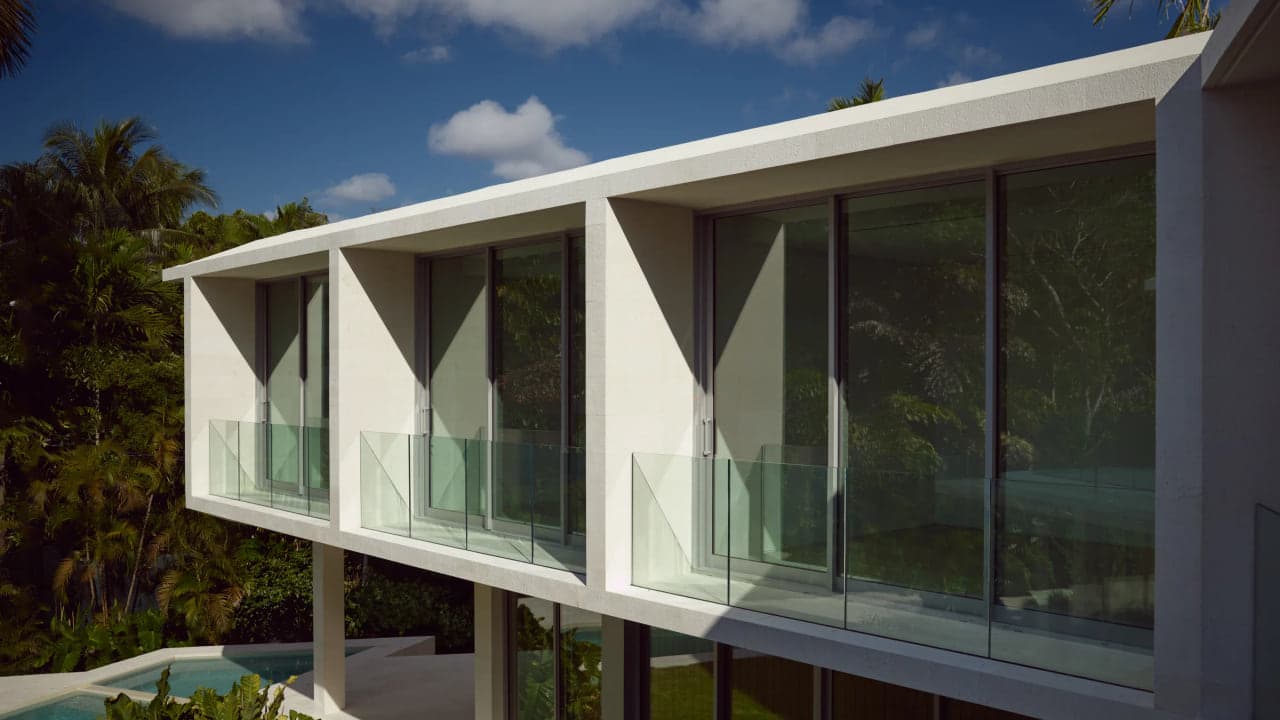
The Land Development Checklist, Read In the Right Order
Every generic checklist online lists the same categories in no particular order. Here is the sequence we actually run before making an offer on a Coconut Grove lot.
Luxom Studio · LUXOM Developments
· 6 min read · Last reviewed
Key takeaways
- A land development checklist is a reading order, not a category list. Running the categories out of order is how a buyer overpays.
- Zoning comes first because it is the only item on the list that cannot be redesigned after closing.
- Title and survey come next, because they confirm the lot itself is the lot you think you are buying.
- Flood elevation and environmental exposure are not generic boxes to check. On a coastal Miami lot, they change the zoning math you already ran.
- Utilities and permit timelines belong at the end of due diligence, not the start, because they only matter once the lot has cleared the first three checks.
From the studio
A land development checklist question came up again recently: what order do you actually run these checks in. Every list online reads the same five or six categories: zoning, title, environmental, utilities, permits. None of them says which one goes first, or why the order changes the deal.
Here is the order we run, and the reason each step comes before the next one, not after it.

The order matters more than the categories
A checklist with the right five categories and the wrong order is not a shorter checklist. It is a different, riskier deal, priced as if it were the safe one.
A checklist is a reading order, not a category list
Every land development checklist that ranks for the phrase covers the same ground: zoning, title, environmental, infrastructure, permits. What none of them states plainly is which check depends on which, and in what sequence a buyer should actually run them before an offer goes in. Treating the categories as a flat list to work through in any order is how a buyer confirms four of the five and still overpays for a lot the fifth one disqualifies.
The order exists because each check assumes the one before it already passed. Confirming utilities on a lot whose zoning does not support the planned unit count is wasted work. Estimating a permit timeline before title and survey confirm the lot's real boundaries is a timeline for a building that may not fit the actual parcel. The sequence is the checklist. The categories alone are not.
Start with the zoning envelope
Zoning comes first because it is the only item on the list that a redesign cannot fix after closing. A buyer can negotiate price. A buyer cannot negotiate a zoning code into allowing a fourth story, or a unit count, that the designation does not permit. Everything downstream, the survey, the environmental read, the permit estimate, is only worth running against a lot whose buildable envelope is already known.
Where to confirm this starts with the City of Miami's property lookup tool, which returns a lot's real zoning designation directly from the address. A common Coconut Grove residential designation, T3-R under Miami 21, typically limits height to two stories, or 25 feet above base flood elevation, and caps lot coverage around 50 percent on the ground floor and 30 percent on the second floor. Those numbers are not constant across the city. Coconut Grove allows lot coverage up to roughly 80 percent in some designations, while a city like Coral Gables limits it to around 45 to 48 percent, which is the kind of gap that changes what a given lot is actually worth to build on.
Setbacks and overlays add another layer on top of those numbers, and they are not permanently fixed either. Miami's mayor sponsored an ordinance in 2026 to eliminate an extra setback buffer that mid- and high-rise buildings currently have to keep from adjacent single-family homes, on corridors that include parts of South Bayshore Drive, and the city's Planning, Zoning and Appeals Board approved it unanimously. A buyer who reads the zoning once and stops there can miss a change like that moving through approval while their own deal is still open. Our zoning due diligence guide walks through the full reading, including the Neighborhood Conservation District overlays that narrow base zoning further on parts of the Grove.
Pull quote
A checklist with the categories in the wrong order is not a shorter checklist. It is a different, riskier deal.
Confirm title and survey before the zoning math becomes real money
Once the zoning envelope is known, the next question is whether the physical lot actually matches it. A title review confirms there is no lien, easement or ownership dispute attached to the parcel that would block a clean closing or restrict what gets built on part of it. A survey confirms the lot's real boundaries, elevation and any encroachment from a neighboring fence or structure match what the listing describes.
Skipping straight from zoning to design work assumes the lot on paper is the lot on the ground. An easement running across the buildable envelope, or a boundary line that sits a few feet off from the listing, can shrink the usable footprint the zoning math already promised. Confirming that before the zoning numbers get built into a budget is cheaper than discovering it after.
Flood elevation and environmental exposure on a coastal lot
A generic checklist treats flood risk and environmental review as one more box in a longer list, alongside title and utilities. On a coastal Miami lot, that undersells the connection. Base flood elevation is not separate from the zoning height allowance, it is part of the same number: a Coconut Grove residential designation typically measures its height limit starting from base flood elevation, so a lot's flood zone changes how many usable feet of height the zoning envelope actually delivers.
That is why this check belongs after zoning and title, not before them. Its purpose is not only to flag environmental risk in the abstract, it is to confirm the buildable height figure from step one still holds once the lot's actual flood elevation is factored in. A phase one environmental assessment, standard on undeveloped or previously used land, covers the rest: prior site use, soil condition and any contamination history that could affect what gets built or how it gets financed.
Utilities, infrastructure and a realistic permit timeline
Utilities, infrastructure capacity and a permit timeline estimate come last on the list, and that placement is deliberate, not an afterthought. Confirming water, sewer and power capacity only matters once the lot's buildable scope is already settled by the checks before it; sizing infrastructure for a unit count the zoning does not allow is wasted diligence. The same logic applies to permit timelines: an estimate is only meaningful once zoning, title, survey and environmental exposure have confirmed what is actually going to be permitted.
This is also where acquisition-stage due diligence starts to show up in the budget, not just the timeline. Our cost breakdown for this market covers how the categories on this checklist translate into line items once a lot clears them, and our Crystal Residence case study walks the same sequence applied to one real Coconut Grove lot, from acquisition through handover.
The order, end to end
Put together, the sequence is zoning envelope first, because it cannot be redesigned. Title and survey second, to confirm the physical lot matches that envelope. Flood elevation and environmental exposure third, because on a coastal lot they change the height number from step one rather than sitting apart from it. Utilities, infrastructure and permit timeline last, because none of them are worth estimating against a lot that has not cleared the first three.
A buyer who runs the categories in a different order is not doing a shorter version of the same checklist. They are pricing a deal against numbers that have not been confirmed to hold together yet, and finding out which one breaks after the design work has already started, not before.
If you are evaluating a specific lot in Coconut Grove, our services page walks through how we underwrite a site before we buy it, and the contact page is the place to start a scoped conversation about that lot.
Pull quote
A checklist with the categories in the wrong order is not a shorter checklist. It is a different, riskier deal.
Filed under
Questions about the order to run a land development checklist before buying a Coconut Grove lot
01What is the correct order to run a land development checklist in, before making an offer?
Start with the zoning envelope, because it sets the ceiling on what the lot can become and cannot be negotiated the way a price can. Next confirm title and survey, because they establish that the lot itself matches what you think you are buying. Then check flood elevation and environmental exposure, which on a coastal Miami lot directly change the zoning numbers you already read. Utilities, infrastructure and permit timelines come last, since they only matter once the lot has cleared the first three checks.
02Why does zoning go first on the checklist instead of price or location?
Because zoning is the one line item on the list that a redesign cannot fix. A buyer can negotiate price, and a lot's location does not change after closing either way, but if the zoning does not allow the height, coverage or unit count a deal assumes, no amount of design work recovers that. Our zoning due diligence guide covers the full reading in detail. Every other check on the list assumes the zoning envelope is already known.
03What do title and survey checks actually confirm on a Coconut Grove lot?
A title review confirms there is no lien, easement or ownership dispute attached to the parcel that would block a clean closing or limit what gets built on part of the lot. A survey confirms the lot's real boundaries, elevation and any encroachment from a neighboring structure or fence match what the listing describes. Both checks exist to confirm the physical and legal lot matches the zoning math already run against it.
04Why do flood elevation and environmental checks matter more on a coastal lot than a generic one?
Because base flood elevation is not a separate line item from zoning on a coastal lot, it is baked into the height allowance itself, as confirmed by the City of Miami's property lookup tool. A common Coconut Grove residential designation measures its height limit from base flood elevation, so a lot's flood zone changes how many usable feet of height the zoning envelope actually delivers. A generic national checklist that treats flood risk as a standalone environmental box misses that the two numbers are connected.
05Where does a permit timeline actually belong in the checklist, and why not earlier?
At the end, once zoning, title, survey and environmental exposure have already confirmed the lot is buildable the way the deal assumes. A permit timeline estimate is only meaningful once those four are settled, because the scope of what gets permitted depends on all of them, a sequence our cost breakdown for this market also walks through in budget terms. Pulling a permit estimate before confirming the zoning envelope produces a timeline for a building the lot may not actually allow.
Explore the portfolio
Projects to see


Talk to the studio
If this belongs in your home, our studio will draw the plan.
Initial conversation, 30 minutes. We listen to the brief and respond with a scoped proposal within five working days. You can also read the services page for typical timelines and fees.
Written by Luxom Studio · LUXOM Developments
The design and development studio behind LUXOM residences
Keep reading
From the journal
Development · Aug 9, 2026 · 7 min
Read the Zoning Before You Read the Listing
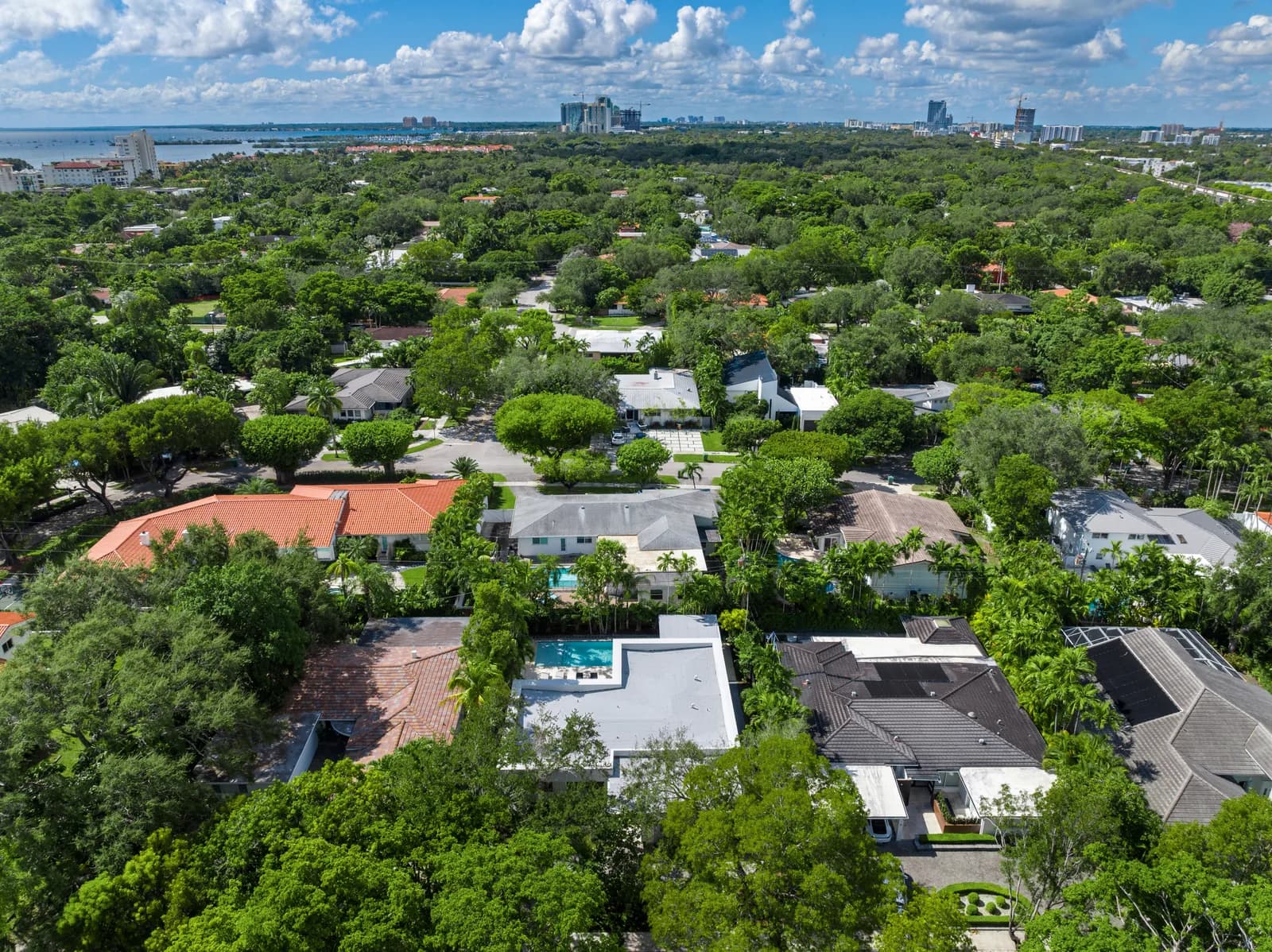
The listing price tells you what someone thinks the lot is worth. Zoning tells you what the lot is actually allowed to become: height, setbacks, density. Read it first and the numbers start to make sense together.
Development · Aug 7, 2026 · 5 min
From Lot to Handover: The Crystal Residence Build
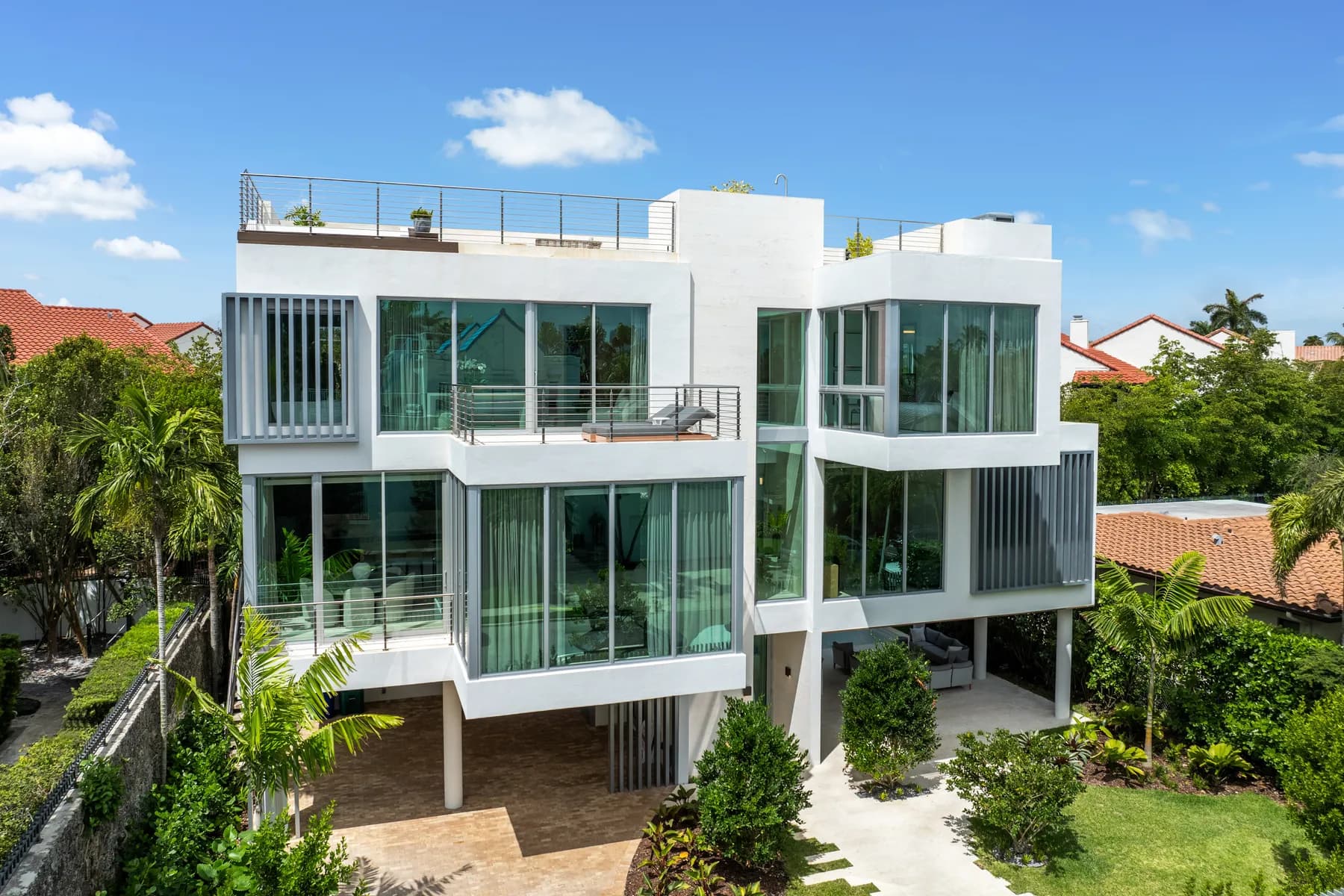
Land, design, build, handover: the four phases behind Crystal Residence in Coconut Grove, from a 5,625 square foot lot to the finished home Luxom delivered in 2022.

Development · Jul 14, 2026 · 8 min
An $8.2M development cost breakdown, from land to finish
How a luxury development budget at this scale divides across land, architecture, construction and finishes: the categories, the logic behind each one, and what they mean for a buyer.