Three Rules for Mixing Wood Tones Without Getting It Wrong
Never let every wood match, pick one lead wood, and watch the undertone. Two or three tones is enough, and here is what that looks like built into a real Luxom hallway.
Luxom Studio · LUXOM Developments
· 5 min read · Last reviewed
Key takeaways
- Three rules cover most of what goes wrong when a room mixes wood: never let every wood match, pick one lead wood, and watch the undertone. Two or three tones is the ceiling, not a starting point.
- Guides that rank for this question state the rule in the abstract, illustrated with stock photography. None of them show it built into a real, finished, named room.
- At Luxom the lead wood is picked as a whole-home material decision before a single piece of furniture is bought, the same discipline that runs a matched white oak and walnut program through a house's closets, panelling, doors and ceilings.
- White oak reads calm, light and consistent, and works best as the field wood covering the most surface area. Walnut reads warmer and richer, and works best as the anchor wood used with intention on doors, panelling or one dominant piece.
- The undertone check matters more than the light-versus-dark check: two woods of different value can still clash if one leans pink or gray and the other leans orange or gold.
From the reel
We posted a reel with three rules for mixing woods without getting it wrong, and asked people to comment WOOD for our favorite combinations. This is that principle written out, and what it actually looks like once it is built into a real, finished room rather than said in fifteen seconds.
Why matching every wood in a room exactly reads as an accident, not a decision
The instinct to make every wood surface in a room match exactly, same floor stain, same cabinet finish, same furniture tone, comes from a good place: it feels safe. In practice it usually reads flat rather than finished, the same way a rug and a sofa in the identical fabric reads decorated rather than designed, a pattern covered from the textile side in your rug should not match your furniture. Wood is not one material choice, it is several, each with its own grain, undertone and finish, and forcing all of them to be identical removes the texture that makes a room feel considered instead of assembled from one catalog page.
Rule 1: pick one lead wood before buying anything else
The lead wood is whichever tone will cover the most surface area, almost always a floor or a long cabinetry run, and it gets chosen first, before the sofa, the dining table or the closet interior. Every other wood in the room then answers to it rather than the other way around. In a Luxom home that decision is made at the scale of the whole house, not room by room: our white oak and walnut joinery program picks white oak as the field wood for exactly this reason. It is a dense, tight grained hardwood long valued in cabinetry, flooring and shipbuilding for its durability and resistance to moisture, and it reads light, calm and consistent across large surfaces without ever feeling heavy.
Rule 2: match the undertone, not just light versus dark
Undertone matters more than value. Two oaks that look close in lightness can still clash badly if one leans warm, yellow or honey, and the other leans cool, gray or ash. Meanwhile a light warm oak and a dark warm walnut, obviously different in value, sit together cleanly because they share the same base. American black walnut is prized for its rich, dark heartwood and fine, stable grain, and critically, it reads warm, which is exactly why it pairs against a warm white oak field instead of fighting it the way a cool-toned dark wood would. Before buying a new wood piece, hold it next to what is already in the room in the same daylight and look past light-versus-dark to whether the cast underneath leans the same direction.
Pull quote
Never let every wood match. Pick one lead wood, and watch the undertone. Two or three tones is enough.
Rule 3: two or three tones is the ceiling
Two wood tones is the safest number to work with, three is the practical ceiling, and each one needs to repeat somewhere else in the room to earn its place rather than showing up once and disappearing. A field wood covering the floor or the main cabinetry run, an anchor wood used with intention on a door, a piece of furniture or one panelled wall, and at most a small third accent kept to something minor. A validated interior design reel states the same rule in almost the same words: pick 2 to 3 tones, repeat each one at least twice, and keep the undertones friendly, warm with warm, cool with cool. Past three tones, a room stops reading as one material decision and starts reading as furniture accumulated over time rather than chosen together.
How this plays out in a real built room, not a stock photo: our favorite combination
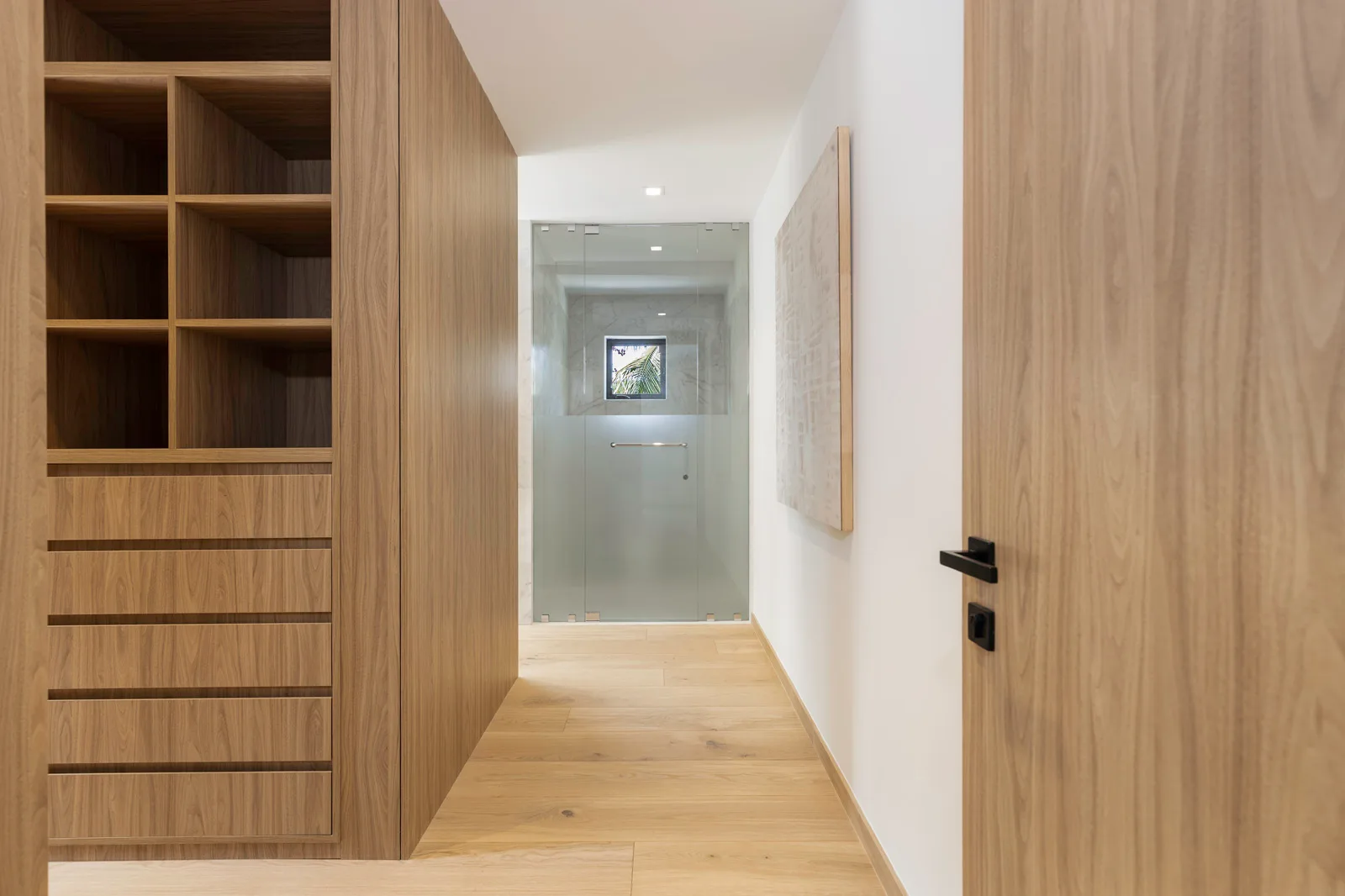
The combination we come back to most is exactly the one above: a light white oak field wood carrying the floor, paired with a warmer walnut anchor wood on doors and cabinetry. It is visible in the Samana residence hallway in Coconut Grove, where a walnut-toned closet run and door sit against a white oak floor. Two tones, one field and one anchor, both warm, repeated across enough surface that the pairing reads as a decision rather than whatever happened to be in stock. It is the same species pairing behind Luxom's white oak and walnut joinery program, and the same warm-wood logic that runs through the texture treatment in fluted wood panels.
A quick way to check undertone before buying a piece
Put the new piece, or a sample or photo of it, in the same daylight as the wood already in the room and look past light versus dark to the color cast underneath. Warm woods lean yellow, orange or red-brown even when pale, the way honey oak and walnut heartwood both do. Cool woods lean gray, pink or ash-toned even when dark, the way a gray-washed oak or an ebonized finish can. A warm light wood and a warm dark wood will almost always sit together better than two woods of similar value that lean in different directions, and that single check catches most of what makes a mixed-wood room go wrong before a floor, a cabinet run or a piece of furniture gets ordered.
Further reading and sources
For background on the two species behind this rule: Oak and Juglans nigra, American black walnut. The full three-rule statement and the original "Comment WOOD" callout live in the reel itself.
Related reading on the Luxom journal: white oak and walnut joinery, fluted wood panels, and your rug should not match your furniture.
If you want that same lead-wood-and-undertone discipline planned into your own home before the first cabinet is ordered, get in touch with Luxom and we will walk you through it.
Pull quote
Never let every wood match. Pick one lead wood, and watch the undertone. Two or three tones is enough.
Filed under
Questions about mixing wood tones
01How do you mix wood tones in interior design without it looking like a mistake?
Three rules cover most of what goes wrong. First, never let every wood in a room match exactly, since a room built from one single tone repeated everywhere reads flat rather than considered. Second, pick one lead wood before buying anything else, the tone that will cover the most surface area, usually a floor or a large run of cabinetry, and let every other wood answer to it. Third, watch the undertone rather than just light versus dark: a warm, honey-toned oak and a cool, gray-washed oak can be closer in value and still clash more than a light oak and a dark walnut that share the same warm base. A validated design reel on the same question states the practical version of this rule directly: pick 2 to 3 tones, repeat each one at least twice, and keep the undertones friendly, warm with warm, cool with cool. Our white oak and walnut joinery program is built on exactly that logic, decided once for a whole home rather than room by room.
02What is the 'lead wood' rule and how do you pick one?
The lead wood is whichever tone is going to cover the most surface area in a room or a home, most often the floor or a long run of cabinetry, and every other wood in the space is chosen to sit underneath it rather than compete with it. It gets picked before a single piece of furniture is bought, not adjusted afterward to match whatever was already purchased. In Luxom's white oak and walnut program, white oak plays that role: a dense, tight grained hardwood that reads light, calm and contemporary, long valued in cabinetry, flooring and shipbuilding for its durability, so it can run underfoot and across large panelled walls without ever feeling heavy.
03Can you mix light and dark wood tones in the same room?
Yes, and a light-and-dark pairing is usually easier to get right than two similar mid-tones, because the contrast reads as a decision rather than a near miss. The condition is that both woods share a compatible undertone. A light white oak floor and a dark walnut door or closet run work together because both are warm woods, not because one is light and one is dark. American black walnut is prized for exactly this role: a rich, dark heartwood with a fine, stable grain that is warm rather than cool, which is why it pairs cleanly against a warm white oak field instead of fighting it the way a cool, gray-toned dark wood would.
04How many different wood tones is too many in one room?
Two is the safest number, three is the practical ceiling, and each tone earns its place by repeating somewhere else in the room rather than appearing once. A field wood covering the floor or the largest cabinetry run, an anchor wood used deliberately on a door, a piece of furniture or one panelled wall, and at most a third accent wood kept to something small, a shelf, a frame, a single stool. Past three tones a room stops reading as a material decision and starts reading as an accumulation, the same gap covered from the furniture side in your rug should not match your furniture.
05How do you check if two wood tones share the same undertone before buying?
Hold both wood samples, or photos of them, in the same daylight and look past the value, light versus dark, to the cast underneath it. Warm woods lean yellow, orange or red-brown even when they are pale, the way a honey oak or a walnut heartwood both do. Cool woods lean gray, pink or ash-toned even when they are dark, the way a gray-washed oak or an ebonized finish can. Two warm woods of very different values will usually sit together better than a warm wood and a cool wood of nearly the same value, which is the check worth running before a floor, a cabinet run or a piece of furniture gets ordered. We walk through the same check step by step in a quick way to check undertone before buying a piece.
Explore the portfolio
Projects to see


Talk to the studio
If this belongs in your home, our studio will draw the plan.
Initial conversation, 30 minutes. We listen to the brief and respond with a scoped proposal within five working days. You can also read the services page for typical timelines and fees.
Written by Luxom Studio · LUXOM Developments
The design and development studio behind LUXOM residences in Coconut Grove, Miami
Keep reading
From the journal
Materials · Sep 1, 2026 · 5 min
One Timber, Fourteen Rooms: White Oak and Walnut Joinery
Why timber is the one finish that improves with use, and how a single white oak and walnut joinery program runs through closets, panelling, doors and ceilings in one Luxom home.
Materials · Jul 25, 2026 · 4 min
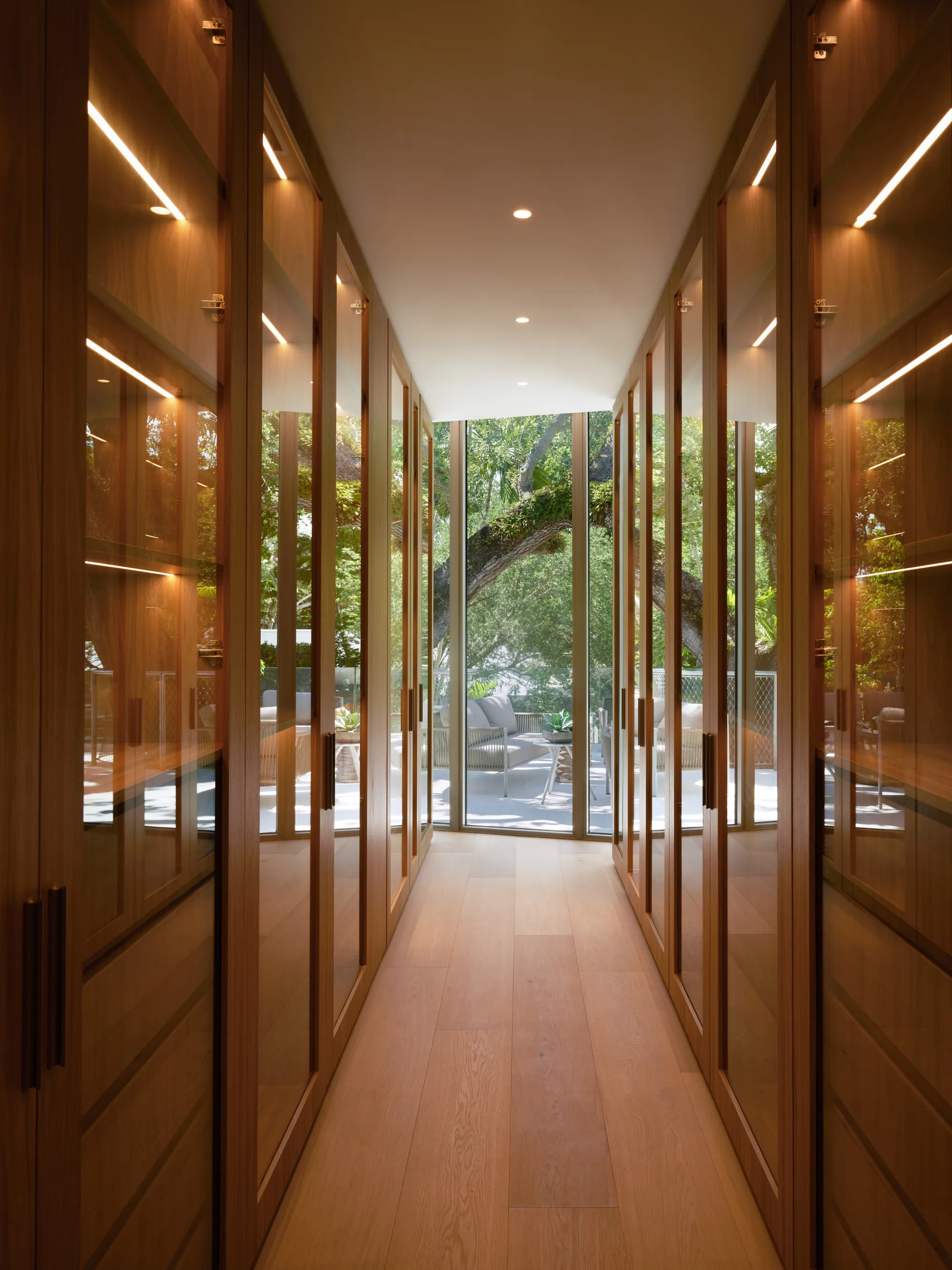
Fluted wood: texture as architectural detail
How fluted wood panels turn a flat surface into an architectural detail. Where to use them, which species and finishes work, and how to keep the effect quiet rather than busy.
Interiors · Sep 13, 2026 · 5 min
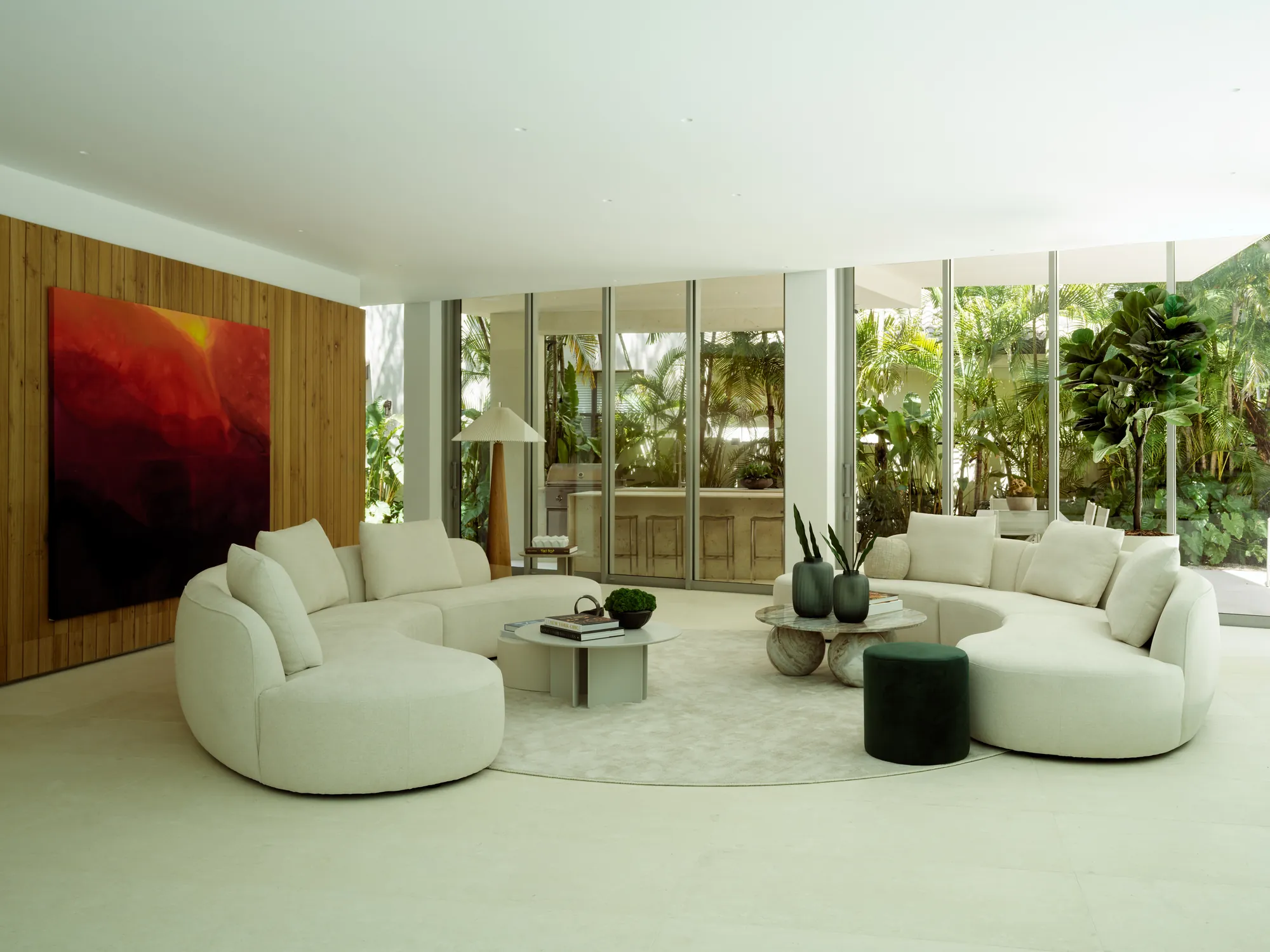
Your rug should not match your furniture. It should talk to it.
The generic advice says find one matching thread. What that actually looks like in a finished Luxom room is a planned material conversation, not a matched fabric swatch.