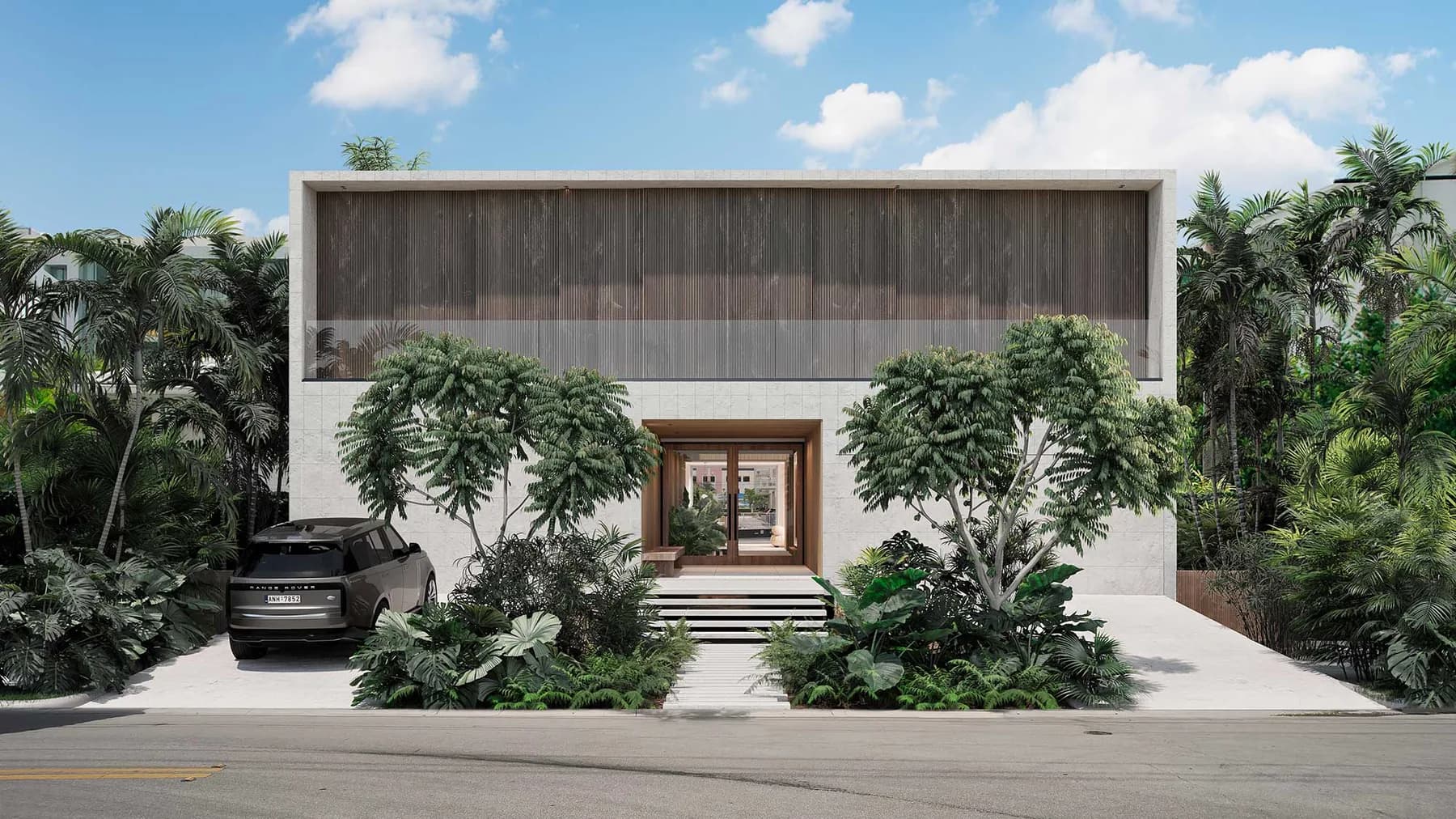
Building a custom luxury home in Miami, start to finish
What it takes to build a custom luxury home in Miami, from land and design through permitting and finish. The real sequence, the local constraints, and where a builder earns their keep.
Luxom Studio · LUXOM Developments
· 5 min read · Last reviewed
Key takeaways
- Building a custom luxury home in Miami runs in a clear sequence: secure the land, complete design and engineering, obtain permits, build the structure, then install finishes. Each stage gates the next.
- Miami adds constraints most markets do not: hurricane wind loads, flood elevation requirements and a demanding building code that shapes structure, glazing and site work from the first drawing.
- The single most valuable decision is aligning design, engineering and construction early. A builder involved during design catches cost and buildability problems while they are still cheap to fix.
- Finish quality is where a luxury home is won or lost. The structure gets you a house, but the materials, joinery and detailing are what read as luxury and hold long-term value.
- A realistic custom-home timeline in Miami spans well over a year from land to move-in, with permitting and long-lead materials the most common causes of delay.
Editor's note
A custom luxury home is one of the largest and longest projects most people ever commission, and in Miami it comes with constraints few other markets impose. Hurricane engineering, flood elevation, a demanding building code and a punishing climate all shape the house before a single finish is chosen.
This is the honest sequence, from land to move-in, and where along the way a builder actually earns their fee. It is written from the developer's side of the table, based on how we build LUXOM residences in Coconut Grove, and it avoids the invented figures that make most builder guides useless.
It starts with the land, not the design
Before anything is drawn, the site has to be understood. Zoning determines what can legally be built, how large, how tall and how close to the boundaries. Site analysis confirms elevation, soil, access and the flood requirements that in much of Miami dictate how high the finished floor must sit. These facts are not background detail. They set the envelope every later decision has to fit inside.
Getting this wrong is expensive in a way that is hard to reverse, because a design that ignores the site's real constraints has to be redone once those constraints surface at permitting. The discipline is to let the land lead, then design into what it allows.
Design and engineering, developed together
The design phase is where a custom home is truly decided, and it is more than architecture. Structural, mechanical, civil and envelope engineering have to be developed alongside the architecture into one coordinated set of documents. In Miami that coordination is not optional: wind loads, impact glazing and flood elevation touch the structure, the windows and the site work simultaneously.
This is also where a builder involved early pays for themselves. Reviewing the design for cost and buildability while it is still on paper catches problems when they are cheap to fix, rather than during construction when they are not. That collaboration is the difference between a smooth build and a series of expensive surprises.
Pull quote
The most expensive words on a construction site are, we can figure that out later. In a custom home, later is always more costly than now.
Permitting, the stage no one enjoys
Once the documents are complete, they go to the local building department for plan review. In a jurisdiction as demanding as Miami, this stage rewards thoroughness and punishes gaps: the more complete and coordinated the submitted drawings, the smoother review goes. Thin or contradictory documents come back with comments, and every round of comments adds time.
There is little glamour here and a great deal of consequence. Permitting is one of the two most common causes of delay on a Miami custom home, and almost all of that delay traces back to how well the design phase was executed. It is another argument for investing in the drawings before breaking ground.
Building the structure
With permits in hand, construction moves from foundation and framing through the building envelope. In Miami this is heavy, engineered work: structures built for wind, envelopes detailed against water and humidity, glazing rated for impact. The house that emerges from this phase is sound and weathertight, but it is not yet a luxury home. It is a well-built shell.
This stage is measured in seasons, not weeks, and its pace depends on decisions made earlier. When the design is fully resolved, the structure goes up predictably. When decisions were left open, construction slows while they are argued out in the field.
Finishes, where luxury is actually made
The structure gets you a house. The finishes make it a luxury home. Stone, millwork, flooring, joinery, lighting and landscape are what the eye reads as quality, and they are where budget should concentrate. They are also the source of the second great scheduling risk: specialty stone, custom windows and imported millwork carry long lead times, and ordering them late stalls an otherwise finished house.
This is where long-term value is decided, not in square footage. We made the full argument in Where luxury developers make money, and finish quality is the largest part of it.
Where to begin
A custom luxury home in Miami is a year-plus commitment where the outcome is largely determined before ground is broken, in the alignment of design, engineering and budget. The teams that deliver well treat those phases as one conversation rather than a relay, and they bring local experience to constraints that a general builder learns on the job.
One Question Before You Sign
Before hiring anyone, ask the question we break down in The First Question Top Buyers Ask Before Choosing a Coconut Grove Builder: who decides the layout, the light and the materials, and do they also build the home, or hand it off once the drawings are done.
If you are considering building, the projects page shows the standard we hold, the services page explains how we work, and the most useful next step is a direct conversation through contact, where we can scope a realistic timeline and budget for your site.
One design decision worth resolving early in that process is the entrance sequence itself; see what makes an entrance read as grand, not just big for how that gets decided alongside the structural drawings.
Before those construction documents are finalized, it is worth reviewing them as a rendered walkthrough rather than only as drawings; see how to preview a custom home's design before construction begins for what a trustworthy preview is built from.
Pull quote
A custom home is not decided at the finish. It is decided in the months before anyone breaks ground, when design, engineering and budget either agree or do not.
Filed under
Questions about custom home builder miami
01What are the main stages of building a custom luxury home in Miami?
A custom luxury home in Miami moves through a fixed sequence, and skipping steps is where projects go wrong. First is land: securing a lot and confirming what can legally be built on it through zoning and site analysis. Second is design and engineering, where architecture, structural, mechanical and civil work are developed together into a coordinated set of documents. Third is permitting, submitting those documents to the local building department and clearing plan review. Fourth is construction of the structure itself, from foundation and framing through the building envelope. Fifth is finishes and systems, where the house becomes a home through millwork, stone, flooring, lighting and landscape. Each stage gates the next, so an error early compounds later. The teams that deliver well overlap these phases deliberately rather than treating them as a strict relay. To start scoping a project, reach out through our contact page.
02What makes building in Miami different from other markets?
Miami imposes constraints that shape a custom home from the first sketch. The climate brings hurricanes, so structures must be engineered for high wind loads and glazing must meet impact standards, which affects everything from window selection to structural framing. Much of the region sits at low elevation, so flood requirements often dictate how high the finished floor must be raised, changing the entire relationship of the house to its site. The Florida Building Code, strengthened after past storms, is among the most demanding in the country and governs structure, envelope and detailing closely. On top of code, salt air and humidity punish materials, so exterior finishes, metals and systems have to be specified for corrosion and moisture. None of this is a reason not to build here, but it is why local experience matters more than in a mild-climate market, and why design and engineering have to lead rather than follow. Our services are built around these conditions.
03How long does it take to build a custom luxury home in Miami?
Expect a custom luxury home to take well over a year, and often considerably more, from land acquisition to move-in. The build itself is only part of it. Design and engineering take months to do properly, permitting in a demanding jurisdiction adds more, and construction of a high-specification home is measured in seasons rather than weeks. The most common causes of delay are not framing or foundations but two things upstream and downstream of them: permit review, which depends on the completeness of the drawings submitted, and long-lead finish materials such as specialty stone, custom windows and imported millwork, which can carry lead times of many weeks each. Timelines also stretch when decisions are left open during construction rather than resolved during design. The way to protect a schedule is to invest in complete, coordinated documents before breaking ground. We scope realistic timelines per project through contact.
04Why hire a custom home builder instead of buying an existing luxury home?
A custom build gives you a home shaped around how you actually live, on a site you chose, with materials and systems you specified, rather than inheriting someone else's decisions. Existing luxury homes carry the previous owner's floor plan, finish choices and, often, aging systems that look current but are not. Building custom lets you resolve the things that are expensive or impossible to change later: ceiling heights, the flow between rooms, natural light, structural openings and the quality of what sits inside the walls. It also lets you control where the money goes, concentrating budget on the surfaces and systems that hold value rather than on square footage or spectacle. That is precisely where long-term value is decided, a point we make in Where luxury developers make money. If you are weighing building against buying, the projects page shows what a considered custom home looks like, and contact is where a conversation starts.
05What should you look for in a luxury home builder in Miami?
Look for a builder who is fluent in both design and construction, because the value in a custom home is decided where those two meet. In Miami specifically, that means demonstrable experience with the local code, hurricane and flood requirements, and the permitting process, since a builder who has not navigated those will learn on your project. Ask to see built work rather than renderings, and look for consistency of finish quality across projects, not one photogenic room. A strong builder is involved early, during design, where they catch cost and buildability problems while they are still cheap to solve, rather than being handed a finished drawing set and asked only to price it. Transparency on budget and schedule matters as much as craft, because a luxury home is a long relationship. Our approach, and the residences behind it, are on the projects and services pages, and you can reach us directly through contact.
Explore the portfolio
Projects to see


Talk to the studio
If this belongs in your home, our studio will draw the plan.
Initial conversation, 30 minutes. We listen to the brief and respond with a scoped proposal within five working days. You can also read the services page for typical timelines and fees.
Written by Luxom Studio · LUXOM Developments
The design and development studio behind LUXOM residences in Coconut Grove, Miami
Keep reading
From the journal

Development · Sep 28, 2026 · 4 min
How to preview a custom home's design before construction begins
A walkthrough of how design renders and material previews let a client see a home before ground is broken, and why reviewing them early protects the budget.
Development · Oct 2, 2026 · 4 min
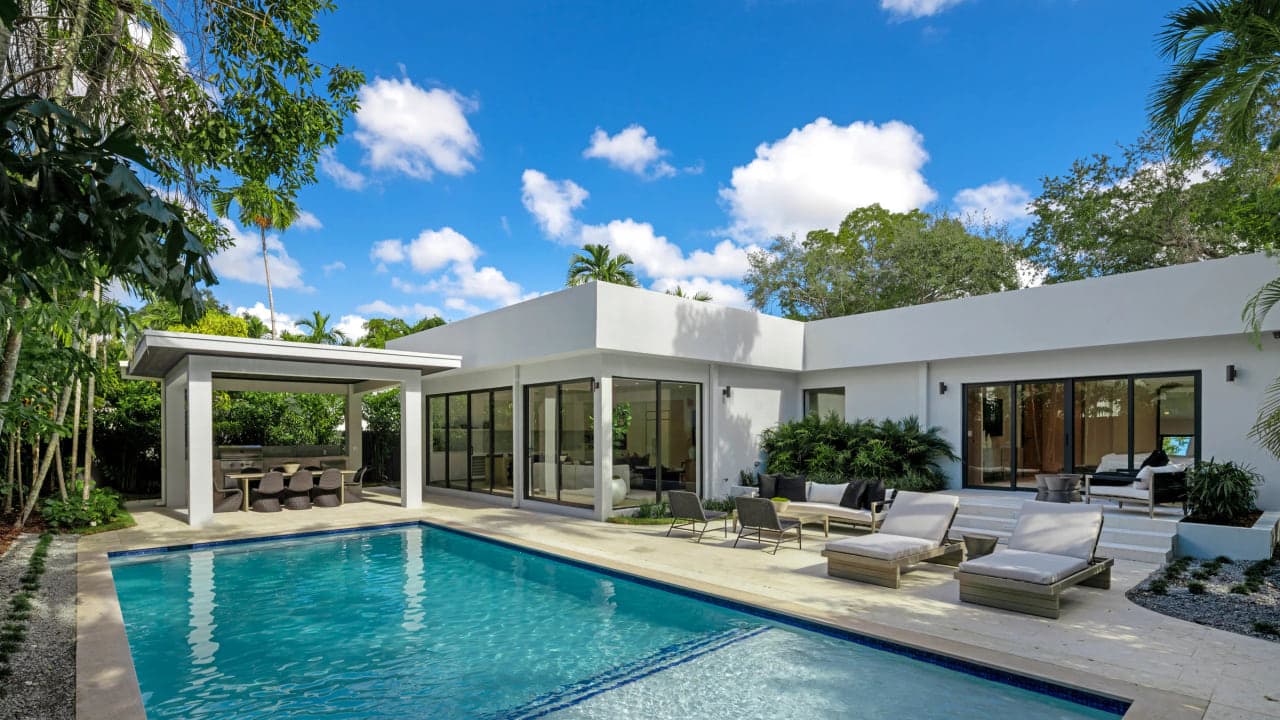
Under Air Square Footage: What Actually Prices a Miami Home
Two Coconut Grove listings can show the same total square footage and sell for very different prices. The gap is almost always the under air number, and here is what it measures.
Development · Sep 25, 2026 · 6 min
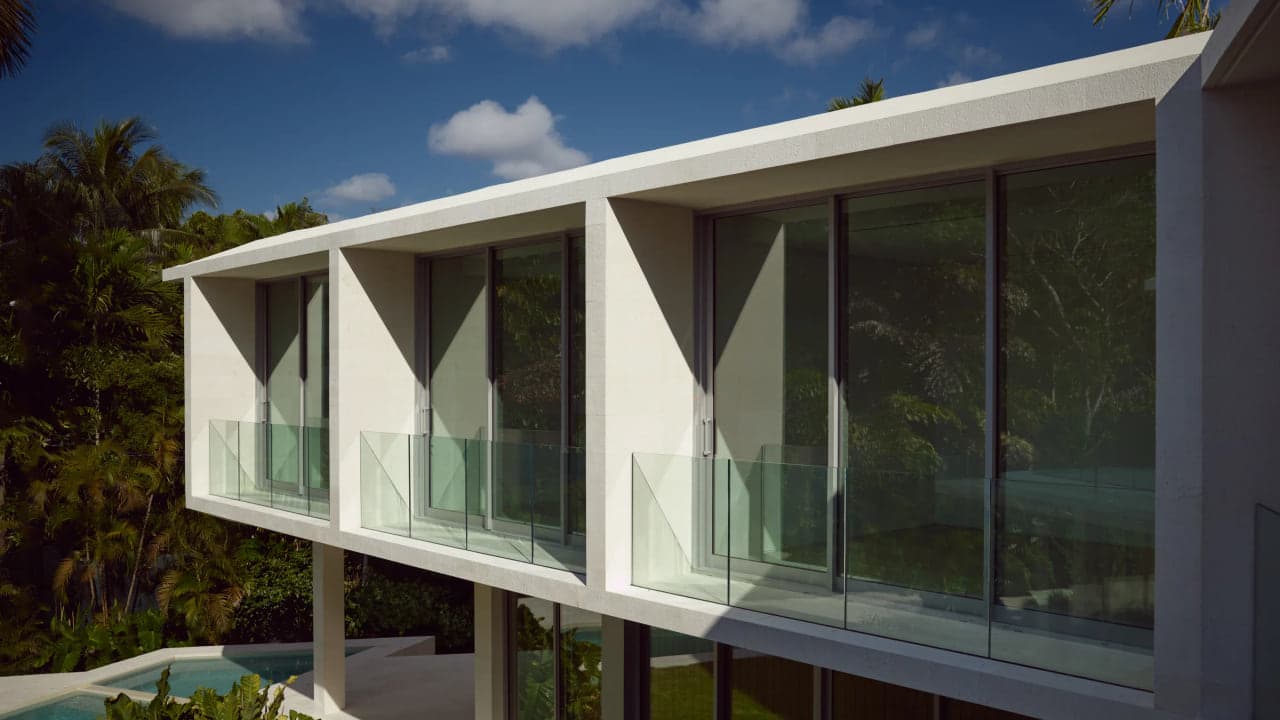
The Land Development Checklist, Read In the Right Order
Every generic checklist online lists the same categories in no particular order. Here is the sequence we actually run before making an offer on a Coconut Grove lot.