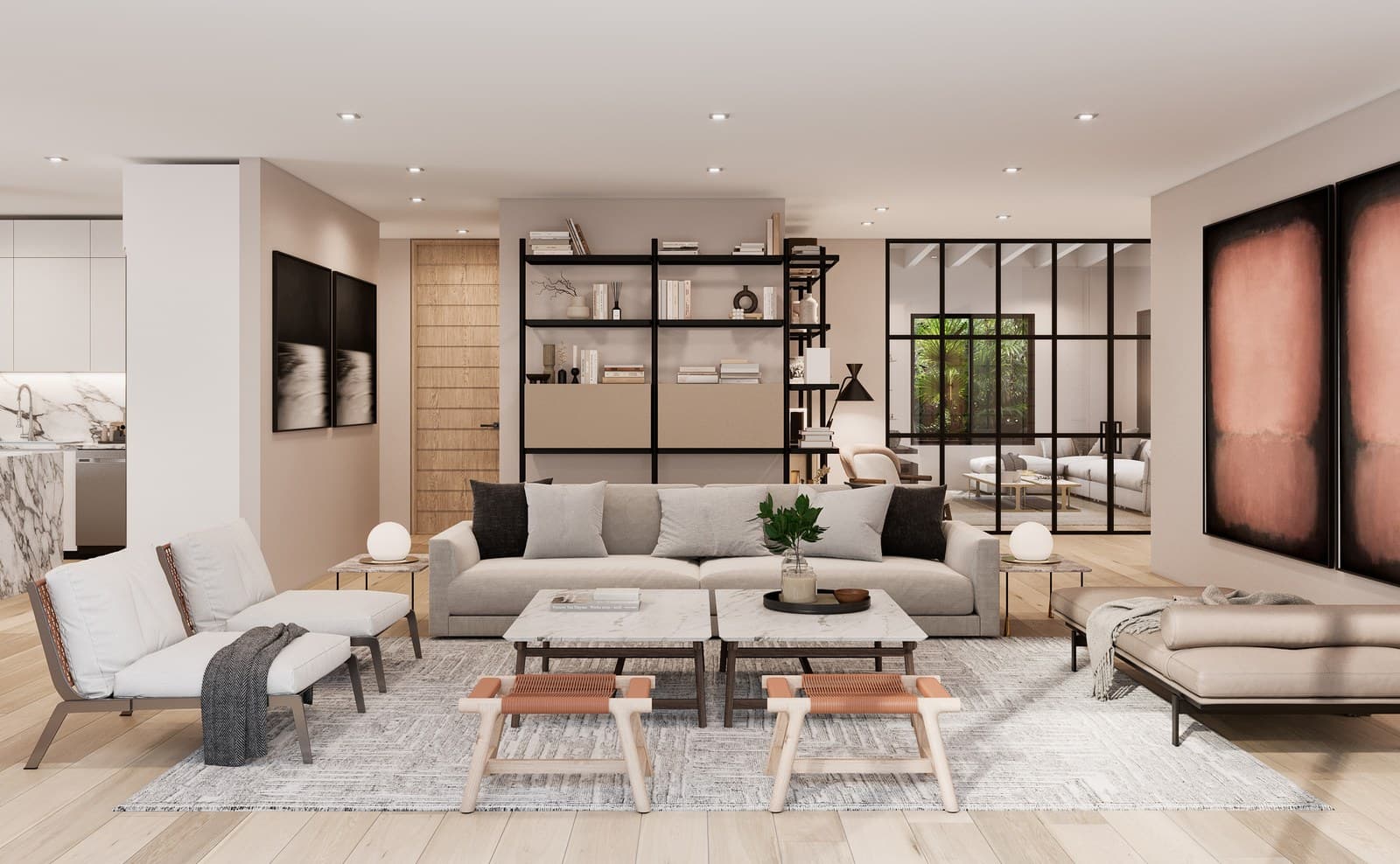
2026 interior design trends through the Luxom lens
The interior movements shaping 2026, read through a studio that builds for permanence. Which trends have substance, which are noise, and how to adopt them without dating your home.
Luxom Studio · LUXOM Developments
· 4 min read · Last reviewed
Key takeaways
- The strongest interior design trends for 2026 are not styles but directions: warmth over starkness, natural material over imitation, and quiet permanence over spectacle. These read as trends now and as good design later.
- Warm minimalism and quiet luxury continue to define the top of the market, favoring plaster, stone and wood over color-led statements that date within a season.
- Curves and organic forms, tactile plaster surfaces, and honest metals like unlacquered brass are the year's most durable material moves, because they age into character rather than out of fashion.
- The trends worth adopting are the ones that survive being unfashionable. Read any 2026 trend through one question: will this still look considered in ten years, or only in ten months.
- A trend becomes a liability when it is applied as a layer rather than built in. Choose the two or three directions that fit how you live, execute them in real materials, and ignore the rest.
Editor's note
Every January the interior trend lists arrive, and most of them describe the same thing in different words. Read enough of them and a pattern emerges: the market keeps moving in one direction, toward warmth, natural material and quiet permanence, and each year renames it. That direction is worth taking seriously. The seasonal noise around it is not.
We already wrote our flagship read on this in Trends 2026. This piece is the companion: the same movements, filtered through a studio that has to live with its decisions for a decade rather than a photo shoot. The question we bring to every trend is not whether it is current, but whether it survives being unfashionable.
The real trend is a direction, not a look
The strongest movements for 2026 are not styles you can buy in a set. They are directions the whole market is drifting in: warmth over starkness, material over imitation, permanence over spectacle. Warm minimalism and quiet luxury sit at the top of that drift, and they are less a trend than a correction, a return to building rooms out of honest material and good proportion rather than of-the-moment color.
Read this way, a trend becomes useful. Instead of asking what is new, you ask which direction a choice moves in. A tactile plaster wall moves toward permanence. A season's novelty finish moves away from it. The direction, not the label, is what tells you whether something is worth building.
Material moves with staying power
A handful of this year's trends are durable because they are made of durable things. Curved and organic forms soften rooms and read as calm rather than styled. Tactile surfaces, lime plaster, limewash and microcement, replace flat paint and give walls depth that light can settle into. Honest metals such as unlacquered brass and bronze patinate in place instead of resisting time. Warm stone and solid wood anchor the palette.
What these share is that they age into character. None of them will look wrong in a decade, because none of them depend on being new. This is the material logic we apply across every project, and it is the same argument at the center of Quiet luxury.
Color is warming, and it is coming from the material
The palette for 2026 is moving off cool gray and into warmth: clay, terracotta, oat, bone, warm greige, and muted earthy greens. The more durable version of this trend does not arrive as paint. It arrives in the material itself, in the tone of a plaster, the vein of a stone, the grain of an oiled wood. Color built into the fabric of the home reads as considered and holds up, where a trending wall color can look tired the moment the season turns.
The practical move is to build a warm neutral envelope from natural materials and let color live in the layers you can change, the art, the textiles, the smaller pieces. The permanent surfaces stay quiet. The changeable ones carry the season.
How to adopt a trend without dating your home
A home dates when it wears a full year of trends at once, in finishes designed to be swapped. It stays current when the permanent layer is timeless and the trend expresses itself only where it is cheap to update. So the discipline is to pick the two or three directions that genuinely fit how you live, build those into the home in real materials, and keep everything else quiet and changeable.
Run every 2026 trend through one test: will this still look considered in ten years, or only in ten months. If it is a material or a form, it usually earns its place. If it is a surface layer, keep it light. That single filter separates the trends worth building from the ones worth ignoring.
What we are actually building this year
Across our work the answer is consistent: warm minimalist envelopes in real material, curved and softened where the architecture allows, colored from the stone and plaster rather than the paint chart, and detailed so they read as calm the moment you walk in. The trends we adopt are the ones that were never really trends, just good design the market rediscovered.
If you want a home built for the direction rather than the season, our interior design service is where that starts, and our projects page shows how it looks built. For the deeper flagship read that this piece complements, see Trends 2026 and its close relative Quiet luxury.
Pull quote
A trend is only worth building when it survives being unfashionable. Everything else is decoration with an expiry date.
Filed under
Questions about interior design trends 2026
01What are the biggest interior design trends for 2026?
The defining interior design trends for 2026 are less about new looks and more about a continued shift in values: warmth over starkness, natural materials over imitation, and quiet permanence over spectacle. In practice that means warm minimalism and quiet luxury holding the top of the market, tactile plaster and lime-washed surfaces replacing flat paint, curved and organic forms softening rooms, and honest metals like unlacquered brass patinating in place. Color is warming into clay, oat and terracotta rather than cool grays. What unites these is durability: each reads as current now and as good design a decade from now, because it is rooted in material rather than novelty. For the full argument on this direction, our flagship piece Trends 2026 goes deeper, and this article reads those same movements through how a development studio builds.
02Is minimalism still a trend in 2026?
Yes, but in a warmer form than the stark white minimalism of the past. The dominant version in 2026 is warm minimalism: the same discipline of reduction and clean lines, but softened with natural material and a warm neutral palette so the room feels calm rather than clinical. Plaster in oat and bone, solid oak underfoot, stone used as architecture, and undyed linen give a minimal space depth and comfort. This is the branch of minimalism that has staying power, because it is designed to be lived in for decades rather than photographed once. It overlaps heavily with quiet luxury, which we cover in Quiet luxury. If you want a home that reads as restrained without feeling cold, this is the direction to brief, and our interior design service plans it end to end.
03Which 2026 trends are worth investing in and which are not?
Invest in the trends that are built in, and skip the ones that are layered on. The durable investments for 2026 are the ones you cannot easily add later: real stone surfaces, plaster and lime-washed walls, quality joinery, curved architecture and honest metals. These age into character. The trends to treat with caution are the swappable, of-the-moment ones: a bold accent color, a novelty furniture silhouette, a finish designed to photograph well this season. The test is simple. If a trend is a material or a form built into the fabric of the home, it usually earns its cost. If it is a surface layer that can be redone in a weekend, keep it cheap and changeable. This is the same logic behind Quiet luxury, and you can see it applied across our projects page.
04How do I use trends without my home looking dated?
Adopt trends the way a studio does: choose two or three directions that fit how you actually live, build them into the home in real materials, and let everything else stay quiet and changeable. A home dates when it wears a full season's trends as a costume, all at once, in disposable finishes. It stays current when the permanent layer, the stone, plaster, wood and proportion, is timeless, and the trend expresses itself only in the easily updated pieces such as textiles, art and smaller furniture. That way you can move with the times without renovating for them. The safest approach in 2026 is to build for permanence first and treat trends as a light seasoning on top. For the deeper case on durable design, see Trends 2026.
05What colors are trending for interiors in 2026?
The color direction for 2026 is warm and grounded rather than cool and gray. Expect clay, terracotta, oat, bone, warm greige and soft browns to lead, often carried in the material itself, such as lime plaster and natural stone, rather than applied as paint. Greens continue in muted, earthy registers like olive and sage, and warm neutrals dominate the base palette so rooms feel calm and enveloping. The shift away from cool grays reflects the broader move toward warmth and tactility across the market. Rather than chase a single trending shade, the durable approach is to build a warm neutral envelope from natural materials and add color through art and textiles that can change. For how a restrained palette carries a whole home, read Quiet luxury, or talk to us through the contact page.
Explore the portfolio
Projects to see


Talk to the studio
If this belongs in your home, our studio will draw the plan.
Initial conversation, 30 minutes. We listen to the brief and respond with a scoped proposal within five working days. You can also read the services page for typical timelines and fees.
Written by Luxom Studio · LUXOM Developments
The design and development studio behind LUXOM residences in Coconut Grove, Miami
Keep reading
From the journal
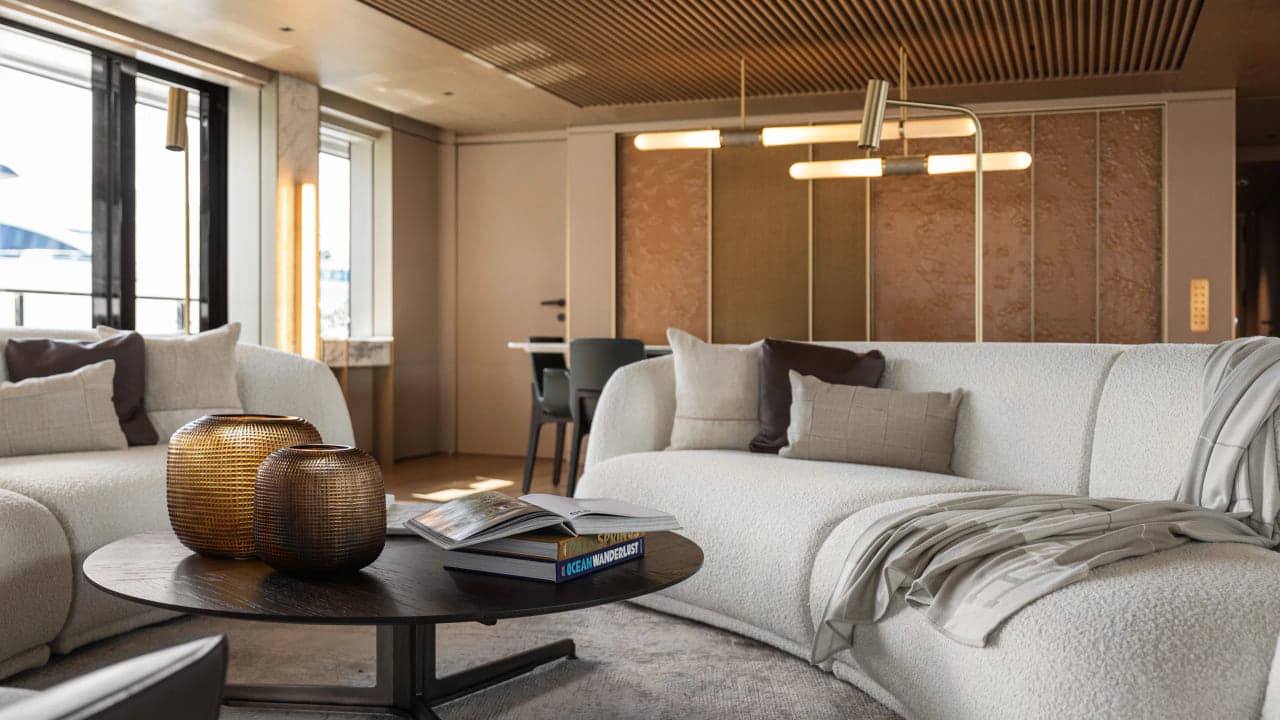
Interiors · Oct 2, 2026 · 4 min
Navy Sofa Styling Ideas: Material Before Color
Every guide hands you five or six color schemes to choose between. The decision that actually matters is the stone, wood and metal already built into the room, chosen before the sofa.
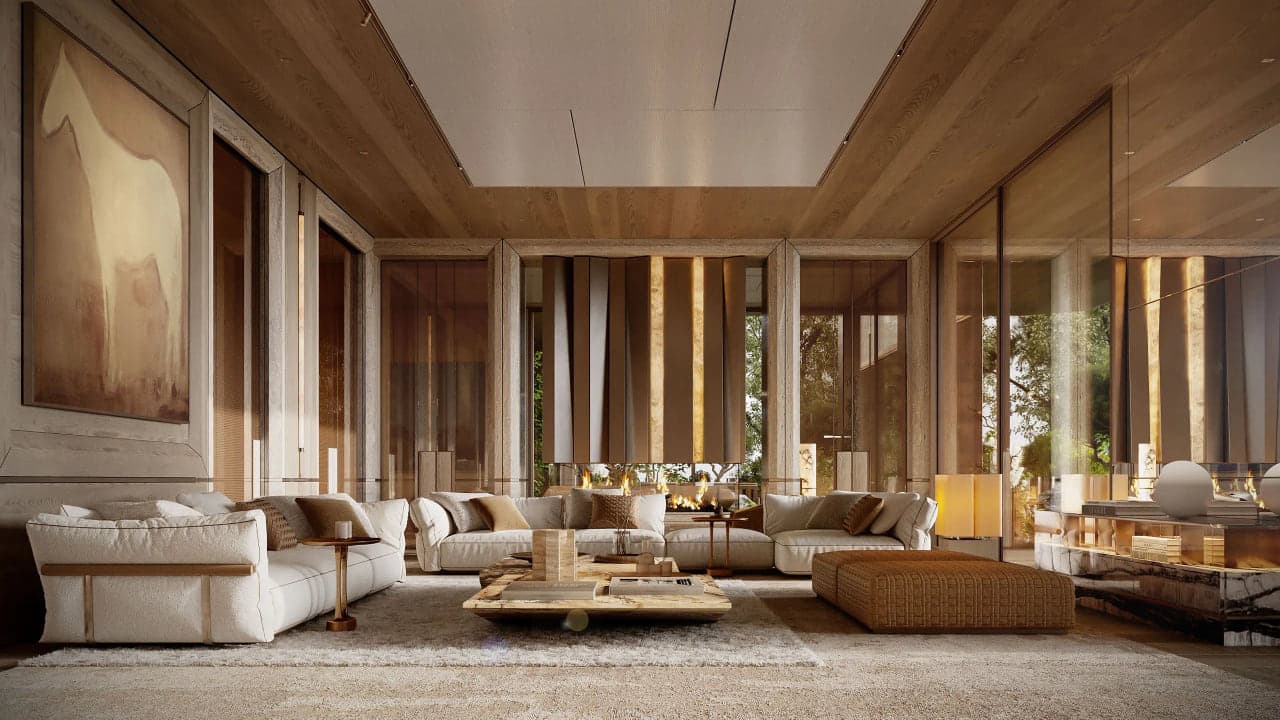
Interiors · Oct 2, 2026 · 7 min
Interior Designer Miami FL: How to Vet One Before You Hire
Miami's interior designer listings sort firms by budget, style and awards. None of them show who decides the wall, the window height or the zoning limit before a single finish gets chosen. Here is how to look past the directory.
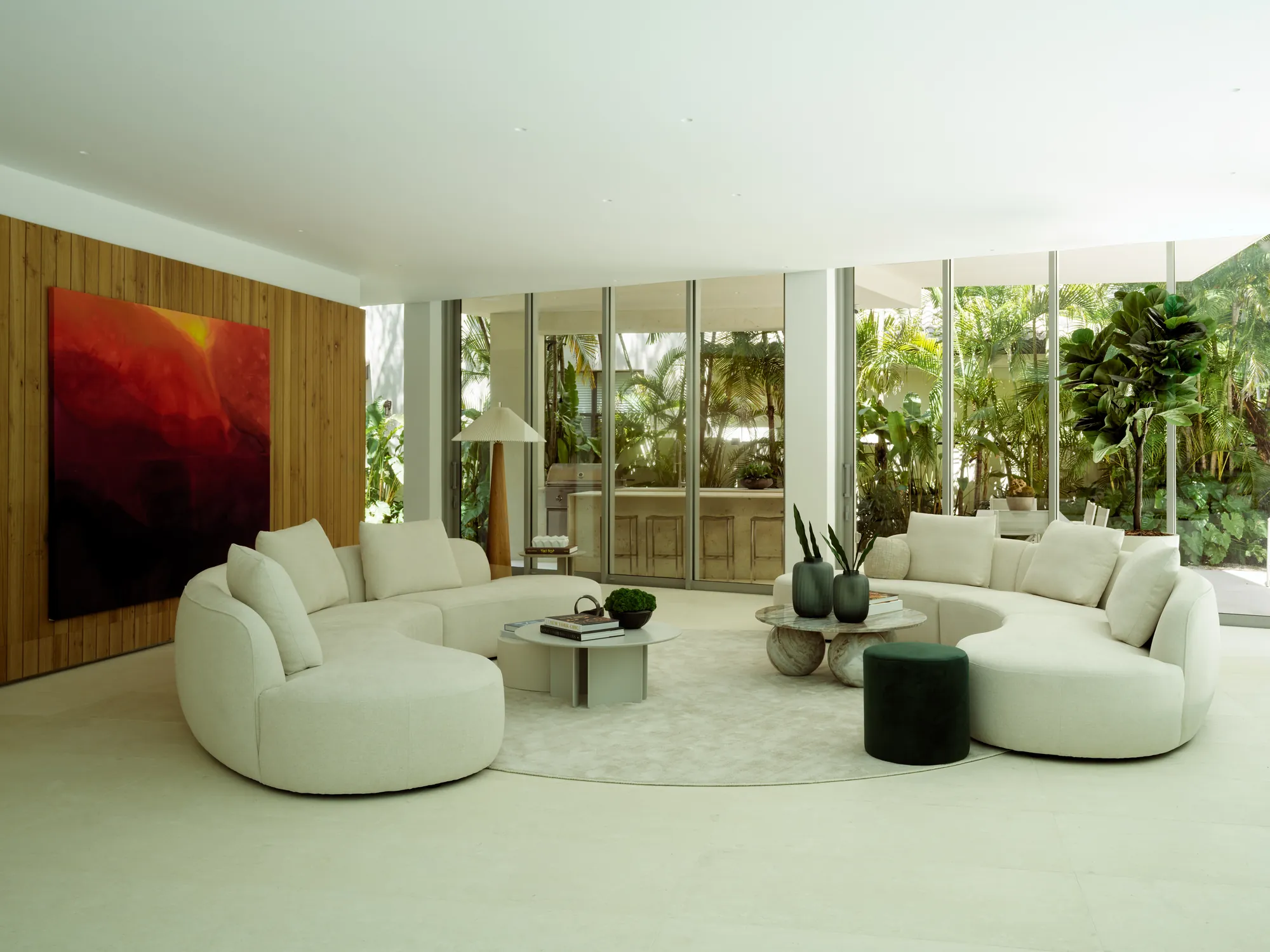
Interiors · Sep 13, 2026 · 5 min
Your rug should not match your furniture. It should talk to it.
The generic advice says find one matching thread. What that actually looks like in a finished Luxom room is a planned material conversation, not a matched fabric swatch.