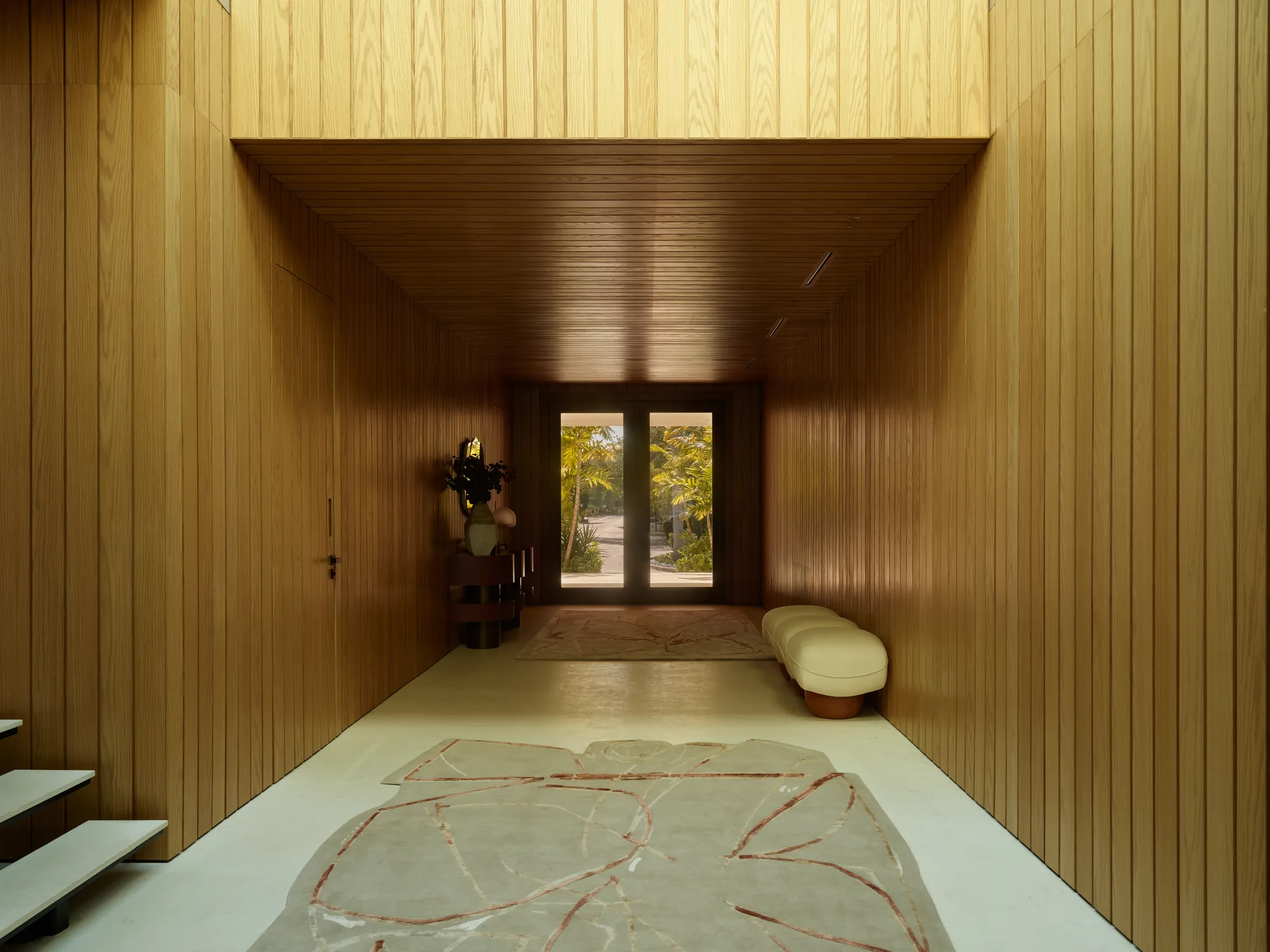
Microcement: a guide to seamless surfaces
The thin, jointless surface behind the monolithic bathroom. What microcement is, how it wears, and how it compares to venetian plaster and tile before you specify it.
Luxom Studio · LUXOM Developments
· 4 min read · Last reviewed
Key takeaways
- Microcement is a thin cement-based coating, a few millimeters thick, applied in layers over existing surfaces to create a seamless, jointless finish on floors, walls and showers.
- The appeal of microcement is the monolithic look: no grout lines, no tile edges, one continuous surface that reads calm and makes a small bathroom feel larger.
- Microcement needs a sealer to resist water and stains, and the sealer is the wear part. Reseal on schedule and the surface lasts, skip it and it marks.
- Against venetian plaster, microcement is tougher and water-ready for wet zones, while plaster is softer, more luminous and better suited to dry walls.
- Against tile, microcement removes the grout maintenance and the visual noise, but it must be installed by a specialist because the finish is the substrate, with nothing to hide behind.
Editor's note
Microcement arrived as a way to get the look of poured concrete without the weight, the wait or the demolition. What kept it in serious interiors is subtler than that. It gives a room one continuous surface, floor to wall to basin, with no grout line to interrupt the eye. In a bathroom that is transformative: the space reads calm, larger and more resolved than the same room broken into a grid of tiles.
It is also unforgiving. The finish is the substrate, applied by hand a few millimeters at a time, and there is nowhere for a flaw to hide. Specified and installed well it is one of the most quietly luxurious surfaces available. Specified badly it marks and disappoints. This guide covers the difference.
What microcement actually is
Microcement is a thin, polymer-modified cement coating, applied in layers with a trowel over an existing surface. Each pass is only a couple of millimeters thick, so it adds almost no height and can bond to floors, walls, showers, stairs and joinery alike. That thinness is the whole idea: it turns any sound substrate into a seamless, mineral surface without the mass of a slab or the joints of tile.
The finish sits between polished concrete and lime plaster. It is matte, dense and quietly textured, closer to stone than to paint. Because it is built up by hand, no two walls are identical, and the subtle movement in the surface is part of what separates it from a flat coat of gray. Color is pigmented into the mix, so the tone runs through the material rather than sitting on top of it.
Why it works in a bathroom
The case for microcement is strongest in wet rooms. A conventional bathroom is a mosaic of edges: floor tile, wall tile, grout lines, trims, the change of plane at the shower. Microcement erases all of it. The floor turns up the wall, the wall runs into the shower, and the basin can be formed in the same finish, so the room becomes a single quiet volume. In a compact Miami bathroom that continuity is the difference between cramped and serene.
There is a practical dividend too. No grout means nothing to discolor, nothing to scrub along a hundred joints, and no failed silicone line to trap mildew. The maintenance moves from constant to occasional, a periodic reseal rather than a weekly battle.
The sealer is the whole game
Microcement is water-resistant, but the water resistance lives in the sealer, not the cement. This is the single most important thing to understand before specifying it. Behind the coating in a shower we detail a proper waterproof membrane, because the microcement is a finish, not the tanking. On top of the coating, the sealer is the wear layer that keeps water, soap and oils from soaking in.
That means the specification has to name the sealer, the number of coats and the reseal interval, not just the color. Treat those as the load-bearing decisions. A beautiful surface with an under-specified seal will mark within a season, and no amount of care will save it.
Microcement, venetian plaster and tile
It helps to place microcement against its two closest alternatives. Venetian plaster is lime-based, softer and more luminous, and it belongs on dry walls and ceilings where its depth and glow can be read in changing light. Microcement is cement-based, tougher and water-ready, which is why it takes the floor and the shower while plaster takes the living room. The two are often used in the same home, each in the room that suits it, and we cover the lime side in venetian plaster.
Tile remains the honest budget path and the right answer when you want pattern, color or a heritage look. What tile cannot give you is the seamless, monolithic surface, because the grid and the grout are always present. If the brief is quiet and continuous, microcement wins. If the brief is graphic or historic, stone or tile is the better tool.
Specifying it without regret
Microcement rewards restraint and punishes shortcuts. Choose it for the seamless look and the low maintenance, not because it is cheaper than tile, because a properly installed system is a specialist trade priced accordingly. Insist on a named applicator with built work you can see, since the finish is the craft and cannot be corrected with trim. Agree the substrate preparation, the membrane, the layers and the sealer in writing before anyone mixes a bucket.
Get those right and microcement delivers a surface that looks considered for years and asks very little in return. If you are weighing it for a bathroom or a whole floor, our material and interior service walks through the buildup, and you can start a scoped conversation any time through the projects page.
Pull quote
Microcement has nowhere to hide. There is no grout line to break up a flaw, so the craft is the entire product.
Filed under
Questions about microcement
01What is microcement?
Microcement is a thin, cement-based coating applied in successive layers over an existing surface to produce a seamless, jointless finish. Each coat is only a couple of millimeters thick, so it bonds to floors, walls, showers, stairs and even furniture without the height or weight of tile or a poured slab. The result is one continuous surface with no grout lines and no visible edges, which is why it reads as monolithic and calm. It is trowel-applied by hand, then sealed to control water and staining. Because it goes over what is already there, it suits renovations where removing old tile would be disruptive. The look sits between polished concrete and hand-applied plaster: mineral, matte and quietly textured. For a warmer, more luminous cousin used on dry walls, see venetian plaster, and our material approach explains how we specify each.
02Is microcement waterproof and good for bathrooms and showers?
Microcement is water-resistant once sealed, and it is a strong choice for bathroom floors, walls and shower enclosures when the system is installed correctly. The coating itself is mineral and dense, but the sealer is what stops water and soap from soaking in, so the specification of the sealer and the number of coats matter as much as the microcement. For a wet shower we detail a waterproof membrane behind the microcement, then build the layers and seal the finished surface, because the coating is decorative rather than a substitute for tanking. Done this way the surface handles daily use and gives you a seamless shower with no grout to scrub. The maintenance is a periodic reseal, not a rebuild. If you are planning a full wet room, our contact page is the place to scope the buildup for your specific bathroom.
03How does microcement compare to venetian plaster?
They are cousins, not the same material, and the difference is where each belongs. Microcement is cement-based, tougher and built for floors and wet zones, with a matte mineral surface that can take foot traffic and water once sealed. Venetian plaster is lime-based, softer and more luminous, prized for the depth and polish it gives to dry walls and ceilings. If you want one seamless surface running from the bathroom floor up the shower wall, microcement is the answer. If you want a wall that glows and shifts with the light in a living room or bedroom, plaster carries it better. Many of our interiors use both, each in its right place. We go deeper on the lime side in venetian plaster, and our interior service covers how the two are combined.
04Microcement versus tile: which should I choose?
Choose microcement when you want a seamless, monolithic look and less maintenance, and choose tile when you want pattern, a proven budget path or a purely DIY-friendly install. Microcement removes grout lines entirely, which means no grout to discolor and a calmer, larger-feeling room, and it can go over existing tile in a renovation. The trade is that it must be applied by a trained specialist, because the finish is the surface itself with nothing to hide an error behind. Tile is more forgiving to install and offers endless color and format, but the grid and the grout are always part of the look and the upkeep. For a quiet, continuous bathroom we lean toward microcement, for a graphic or heritage look we specify stone or tile. See how we weigh materials on the projects page.
05How do you maintain a microcement surface?
Maintenance is simple but not optional: clean with a pH-neutral product and reseal on a schedule rather than waiting for marks to appear. The microcement itself is durable, but the sealer is the wear layer, and it slowly gives up its resistance to water and staining with use. On a bathroom floor or shower that might mean resealing every few years, on a low-traffic wall much less often. Avoid abrasive pads and strong acids, which cut into the sealer and dull the finish. If the surface does pick up a mark or a matte patch over time, a specialist can refresh the seal without redoing the whole application, which is one of the quiet advantages over regrouting tile. If you want a maintenance plan matched to how a specific room is used, start a conversation through our contact page.
Explore the portfolio
Projects to see


Talk to the studio
If this belongs in your home, our studio will draw the plan.
Initial conversation, 30 minutes. We listen to the brief and respond with a scoped proposal within five working days. You can also read the services page for typical timelines and fees.
Written by Luxom Studio · LUXOM Developments
The design and development studio behind LUXOM residences in Coconut Grove, Miami
Keep reading
From the journal
Materials · Sep 13, 2026 · 4 min
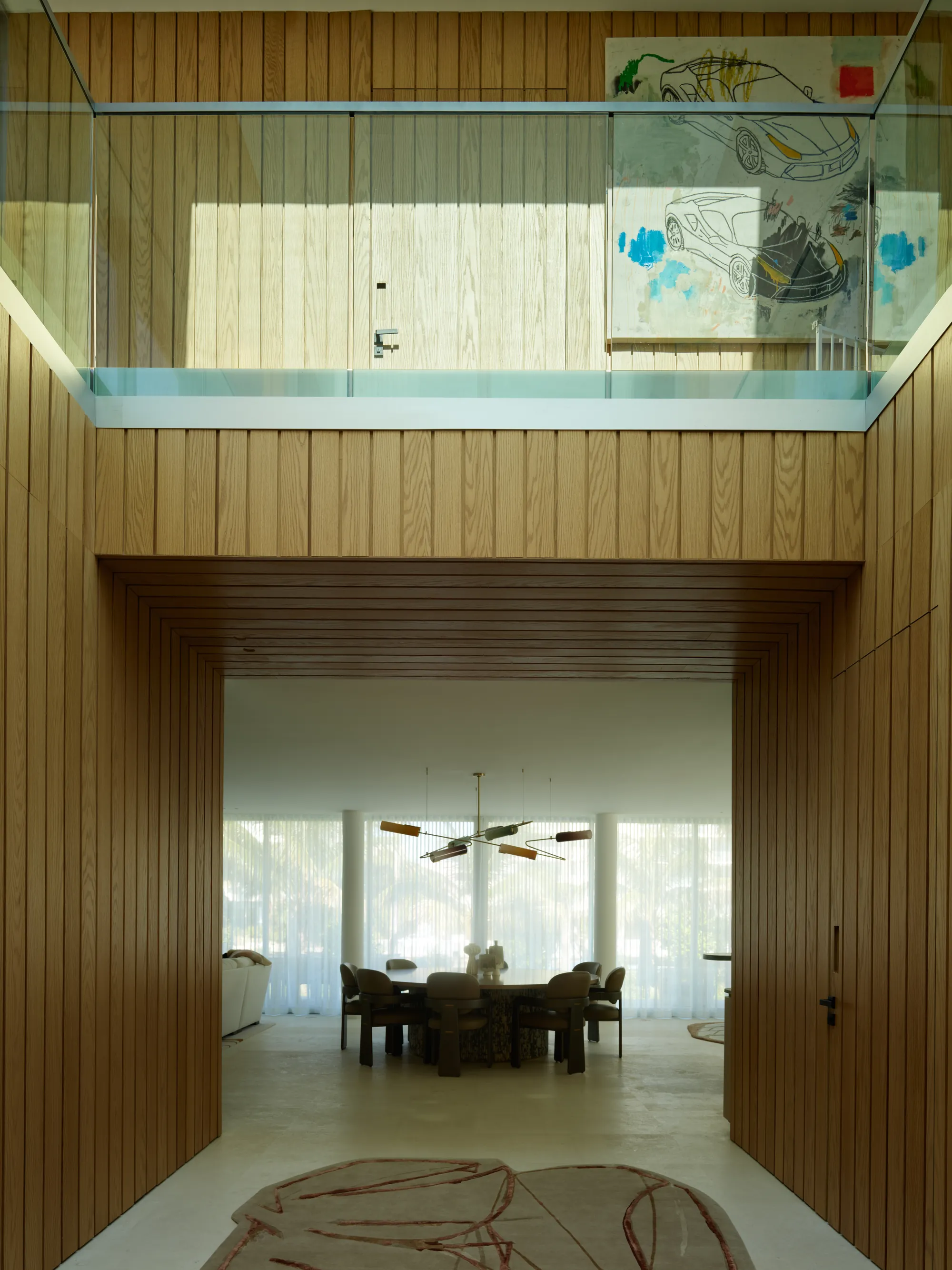
Five Walls That Aren't Painted
Plaster, cement, wood and stone, four crafted finishes we specify instead of a coat of color, and the one rule that decides which wall gets which one.
Materials · Sep 13, 2026 · 4 min
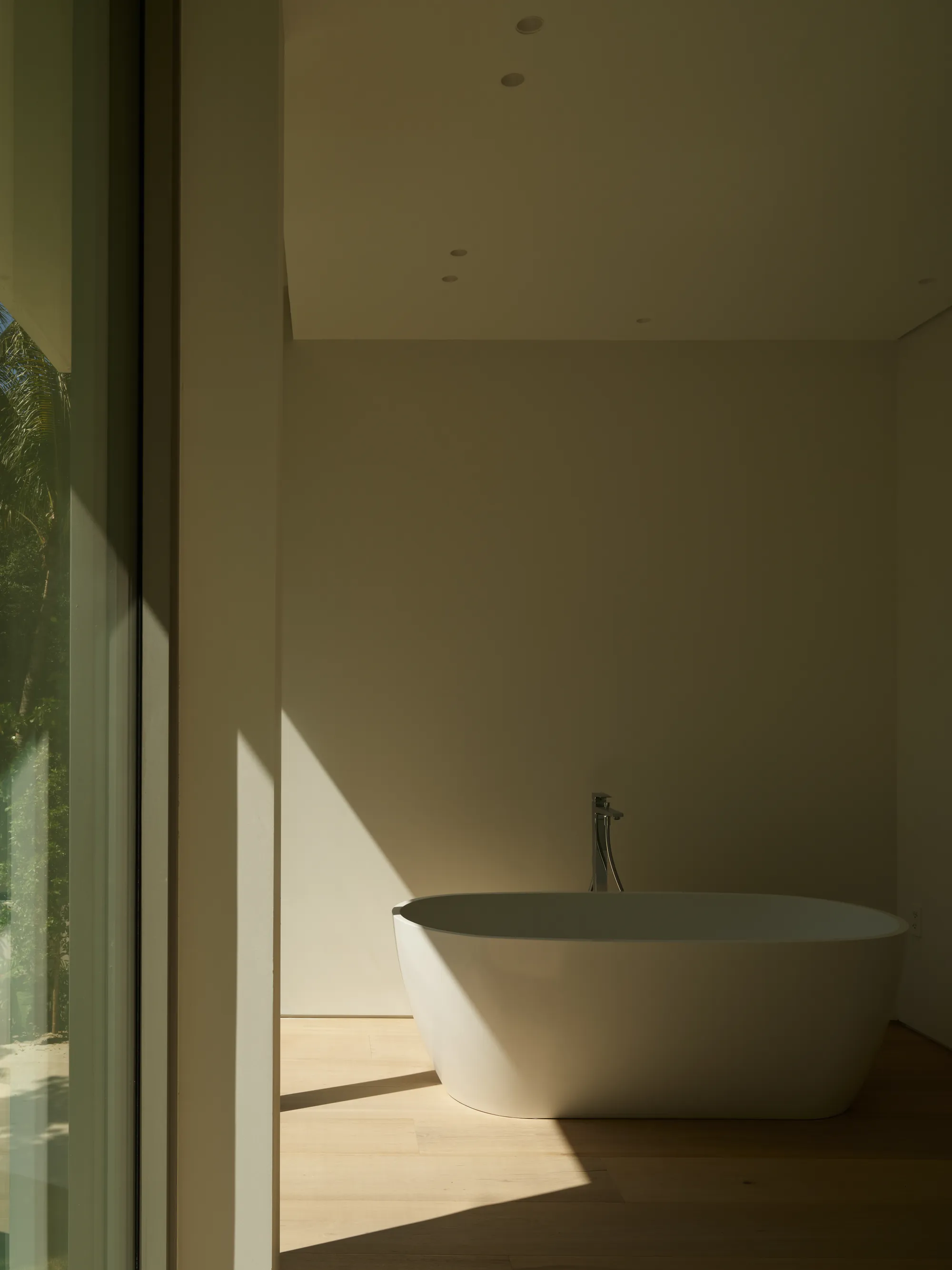
The Tub Decides the Bathroom: A Buyer's Guide
The tub is the one fixture that has to be chosen before anything else in the room. A working comparison of freestanding, built-in, stone-carved and soaking tubs, and what each one decides for the space around it.
Materials · Sep 1, 2026 · 5 min
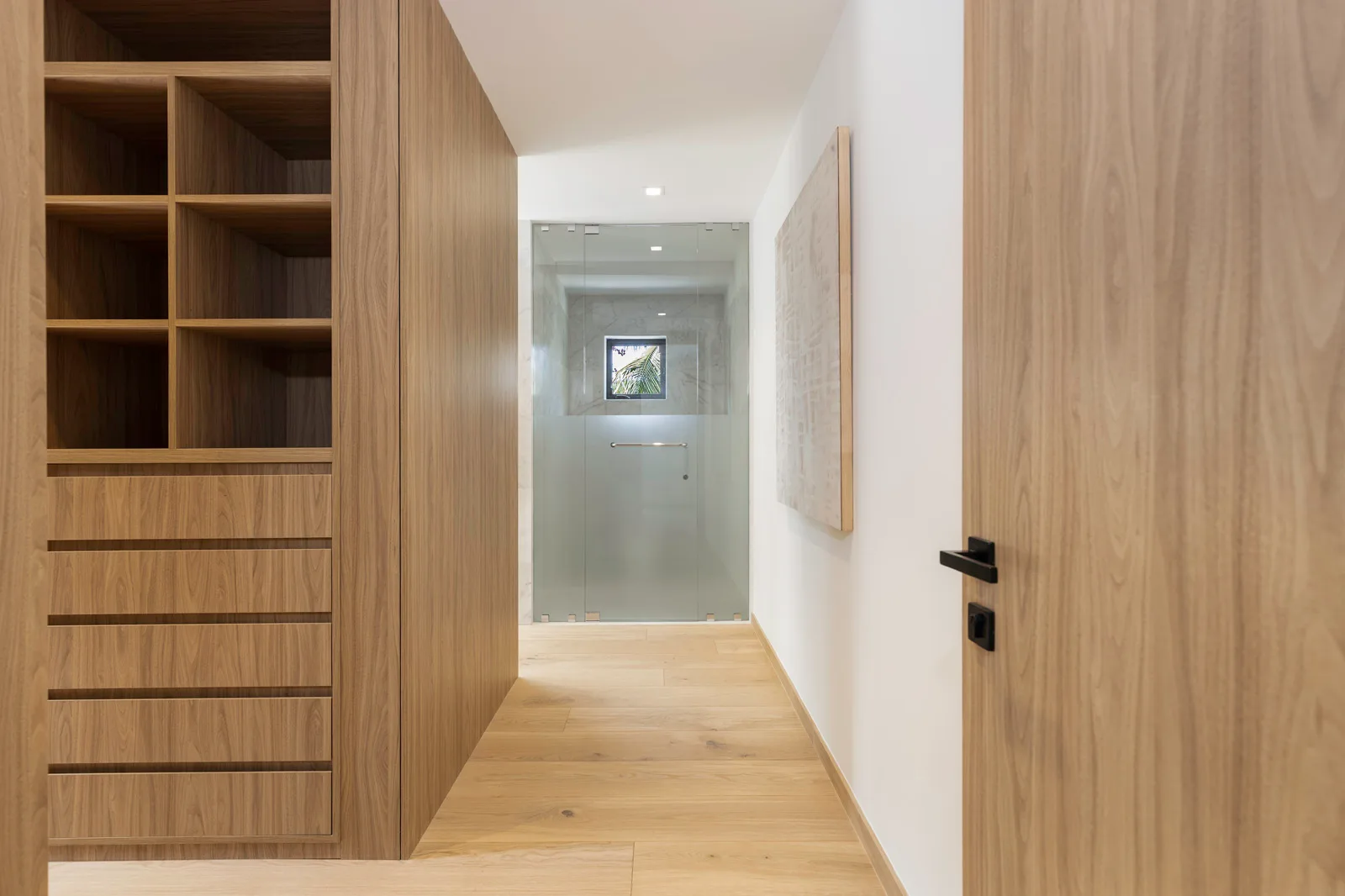
One Timber, Fourteen Rooms: White Oak and Walnut Joinery
Why timber is the one finish that improves with use, and how a single white oak and walnut joinery program runs through closets, panelling, doors and ceilings in one Luxom home.