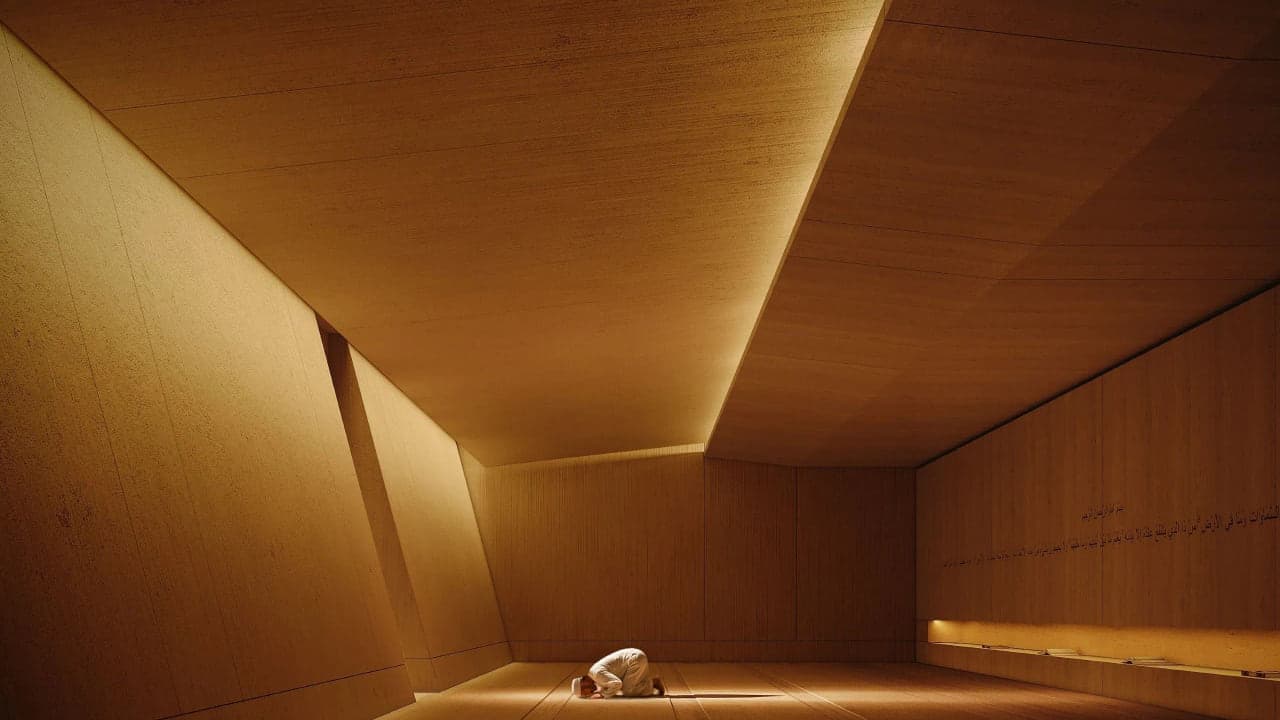
A Big House Is Not a Luxury Home
Square footage is the easiest number to sell and the least reliable sign of quality. What actually separates a big house from a luxury home, and how a developer decides which is which.
Luxom Studio · LUXOM Developments
· 5 min read · Last reviewed
Key takeaways
- Size is the easiest thing to advertise and the least reliable sign of luxury. A large house with no proportion, sequence or material discipline still reads as big, not luxurious.
- A developer checks three things before size: proportion between rooms, the sequence a visitor moves through, and whether the material is honest or a thin version of itself.
- Extra square footage that is not resolved in proportion becomes a maintenance cost and a resale drag, not a value add.
- The 3-3-3 rule is an affordability guideline for buyers, not a definition of luxury. A house can pass it and still be an oversized, unresolved room.
- Most competitor guides list features (kitchens, closets, smart tech) without ranking them. Materials and proportion decide whether those features read as luxury or as an inventory list.
Editor's note
Most homes marketed as luxury are just big, a point we made directly in a recent Luxom reel. A large footprint is the easiest thing to put in a listing and the easiest thing to photograph from a drone, but it is not what makes a house read as luxurious once someone is standing inside it. What does that work is proportion, sequence and material, the same three things a developer checks on a lot long before square footage enters the conversation.
Why square footage gets mistaken for luxury
Search almost any list of "luxury home features" and the pattern repeats: premium materials, large rooms, elaborate kitchens, multiple bathrooms, smart technology, a wine cellar or a home theater. One widely cited list runs to eleven items and never ranks them. Another common definition adds price for the area, location, quality and provenance to that same kind of checklist. None of that is wrong, exactly, but none of it explains why houses with the same feature checklist can feel completely different the moment you walk through the front door. Size and feature count are easy to measure and easy to sell. They are also the least reliable signal of whether a house actually reads as luxurious, because a floor plan can check every box on that list and still feel like an inventory of rooms rather than a considered house.
What a developer checks instead of size
Before a project is even priced, three things get decided that have nothing to do with total square footage.
The first is proportion: whether each room's height, width and depth read as intentional relative to the rooms around it, or whether they were sized to hit a target number on a listing sheet. A primary suite that is technically larger than it needs to be, with no change in ceiling height or material to justify the scale, reads as oversized, not grand.
The second is sequence, the order a person actually moves through the house, and whether each transition (entry to living space, hallway to bedroom wing, indoor to outdoor) is deliberate. What makes an entrance read as grand, not just big covers this in detail for a single room: compression before release, and one sightline that resolves, do more work than ceiling height.
The third is material honesty: whether a surface is what it claims to be, solid stone instead of a thin veneer, real wood joinery instead of a printed laminate, or whether it is a decorative version of the real thing chosen to hit a budget while still looking the part in photos.
Pull quote
A big house photographs well. A luxury house is decided in proportion, sequence and material, long before anyone measures the square footage.
Why extra square footage can cost you at resale
Rooms that exist because a floor plan needed to hit a number, not because they solve a real need, do not sit idle for free. They still need to be framed, conditioned, wired, cleaned and eventually renovated, and none of that spend shows up as extra value at resale. Where luxury developers actually make money is explicit about this from the acquisition side: the margin is protected by what is refused, not by what is added. A smaller house with a resolved sequence and honest materials routinely outperforms a larger, unresolved one on price per square foot, because a buyer is paying for the feeling of the house, not the tape measure.
The 3-3-3 rule answers a different question
The 3-3-3 rule (roughly three months of expenses saved, a monthly payment near three percent of gross income, and total financing under three times annual income) is a useful affordability check. It says nothing about design quality. A buyer can clear every number on that rule and still end up in a house with no resolved sequence, no material discipline and rooms nobody uses after the first year. Affordability and luxury are answering two different questions, and treating the first as a proxy for the second is exactly how "big" and "luxurious" get confused in the first place.
What this looks like on a real project
On a Coconut Grove build, this shows up as choices made before the structural drawings are final: a smaller footprint with a taller, more deliberate living space instead of a larger one with a flat ceiling throughout; one material carried from the entry through to the main living area instead of switching finishes room to room to differentiate spaces that should feel connected. Decorated buys objects, designed buys decisions covers the same discipline applied to furnishing choices after the shell is built. The house that reads as luxurious is rarely the largest one on the block. It is the one where every added square foot had to justify itself in proportion, sequence or material before it was allowed into the plan.
What to ask before adding more square footage
Before approving a bigger footprint, ask what specific proportion, sequence or material problem the added space solves. If the answer is only "more room," it is worth reconsidering, since building a custom luxury home in Miami, start to finish shows how much of the total cost and timeline gets decided early, when a smaller, better-resolved plan is still on the table.
For the fuller framework behind proportion, sequence and material honesty, and how each gets decided before finishes are chosen, see what makes architecture read as luxury, not just expensive.
Pull quote
A big house photographs well. A luxury house is decided in proportion, sequence and material, long before anyone measures the square footage.
Filed under
Questions about what actually makes a home luxurious, beyond square footage
01What qualifies a home as luxury?
Not square footage alone. Quality of construction, provenance of materials, and a location that holds value are what most published definitions point to, but the piece those lists usually miss is proportion, covered in what a developer checks instead of size.
02What is the 3-3-3 rule in real estate?
It is a buyer affordability guideline (roughly 3 months of expenses in savings, a payment near 3 percent of gross income, and financing under 3 times annual income), not a measure of design quality. A house can satisfy it and still be an oversized room with nothing resolved.
03What makes a house feel luxurious?
A sequence that makes sense, a sightline that resolves, and materials chosen for how they age, not just how they photograph on day one, the same argument covered in why proportion beats square footage and, applied to a single room, in what makes an entrance read as grand, not just big.
04Why do wealthy people buy mansions?
Usually for land, privacy and location, not because more square footage itself reads as luxury. Where luxury developers actually make money shows that the land and the finish carry the value; the extra rooms rarely do.
05Does a bigger floor plan always cost more to maintain than it adds in value?
Often, yes. Unused square footage still needs to be built, conditioned, cleaned and eventually renovated, covered in why extra square footage can cost you at resale. A smaller, better-proportioned house frequently outperforms it at resale.
Explore the portfolio
Projects to see


Talk to the studio
If this belongs in your home, our studio will draw the plan.
Initial conversation, 30 minutes. We listen to the brief and respond with a scoped proposal within five working days. You can also read the services page for typical timelines and fees.
Written by Luxom Studio · LUXOM Developments
The design and development studio behind LUXOM residences in Coconut Grove, Miami
Keep reading
From the journal
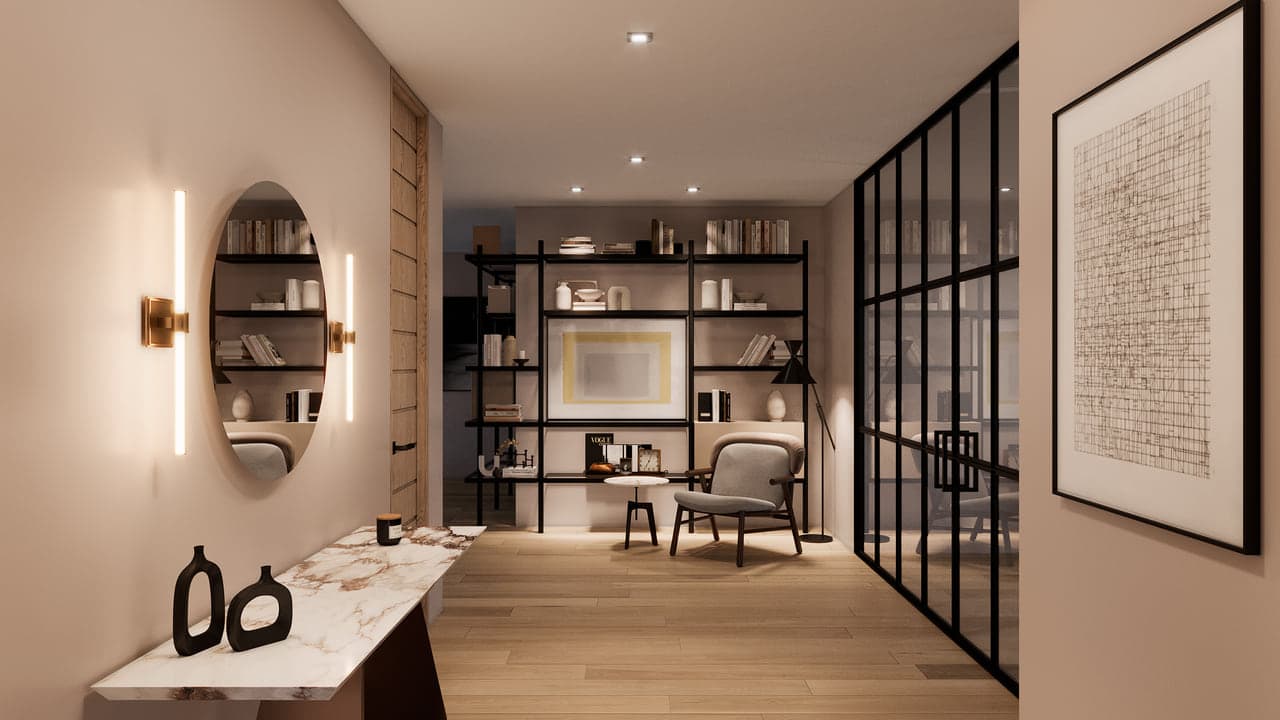
Architecture · Sep 24, 2026 · 5 min
What Makes an Entrance Read as Grand, Not Just Big
A tall foyer is not a grand entrance. It takes a sequence: compression before release, one sightline that resolves, and a single material carried through. Here is how that gets decided.
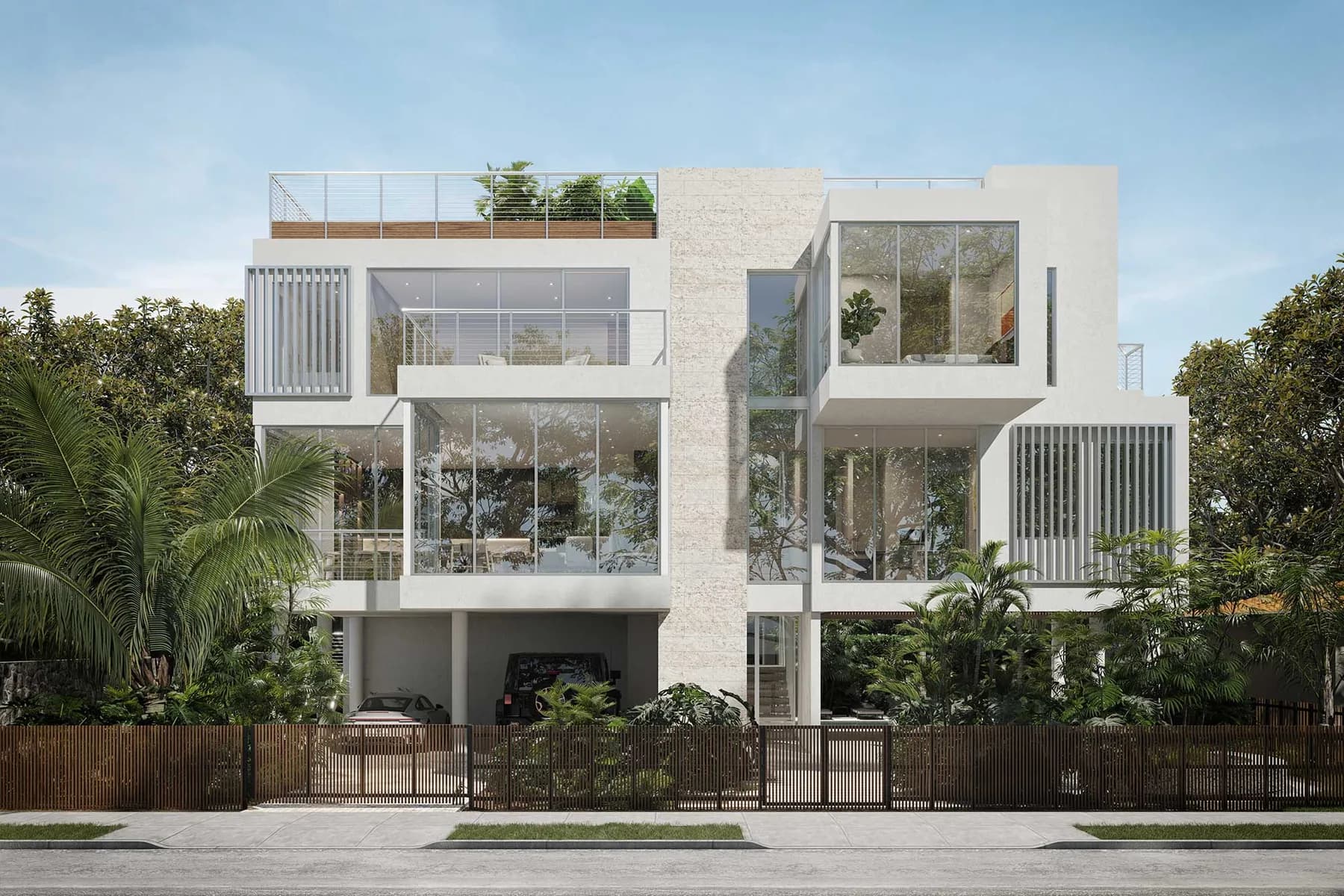
Development · Jul 8, 2026 · 3 min
Where luxury developers actually make money
It isn't the house. The margin is decided the day you buy the land, and protected by everything you refuse to cheapen.
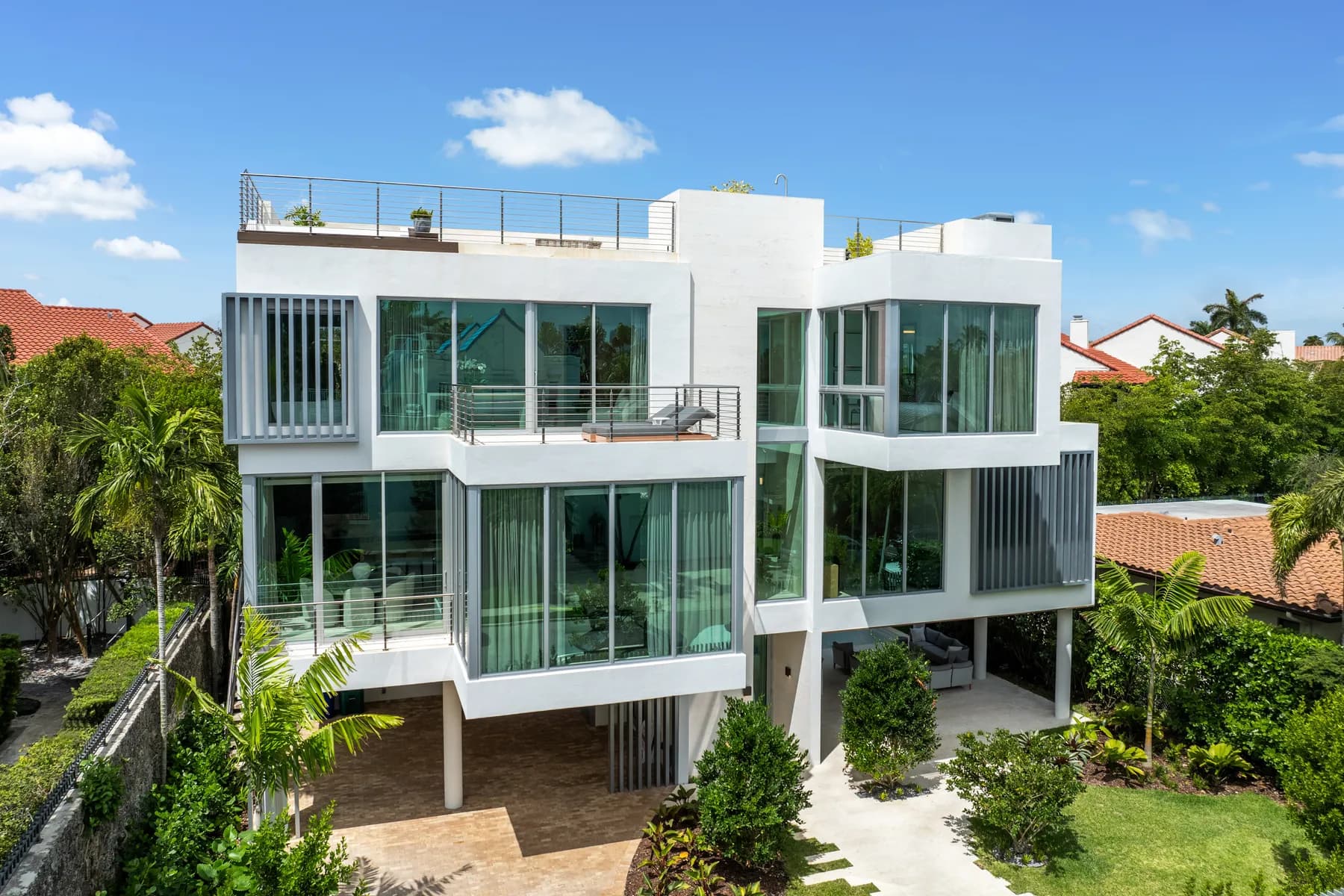
Philosophy · Aug 31, 2026 · 6 min
Decorated Buys Objects. Designed Buys Decisions.
A decorator styles the room you already have. A designer decides the proportion, light and layout before that room exists, and only one of those choices still holds up ten years later.